

Advancing Mozambique’s National Fertilizer and Soil Health Policy Agenda Mozambique has initiated the national domestication of the Africa Fertilizer and Soil Health Action Plan (AFSH-AP), marking an important step toward strengthening agricultural productivity, sustainability, and resilience. Convened with support from Sustain Africa, and in partnership with AGRA, this national multi-stakeholder workshop focused on translating continental […]
Mozambique has initiated the national domestication of the Africa Fertilizer and Soil Health Action Plan (AFSH-AP), marking an important step toward strengthening agricultural productivity, sustainability, and resilience. Convened with support from Sustain Africa, and in partnership with AGRA, this national multi-stakeholder workshop focused on translating continental commitments into a practical, country-owned implementation roadmap.
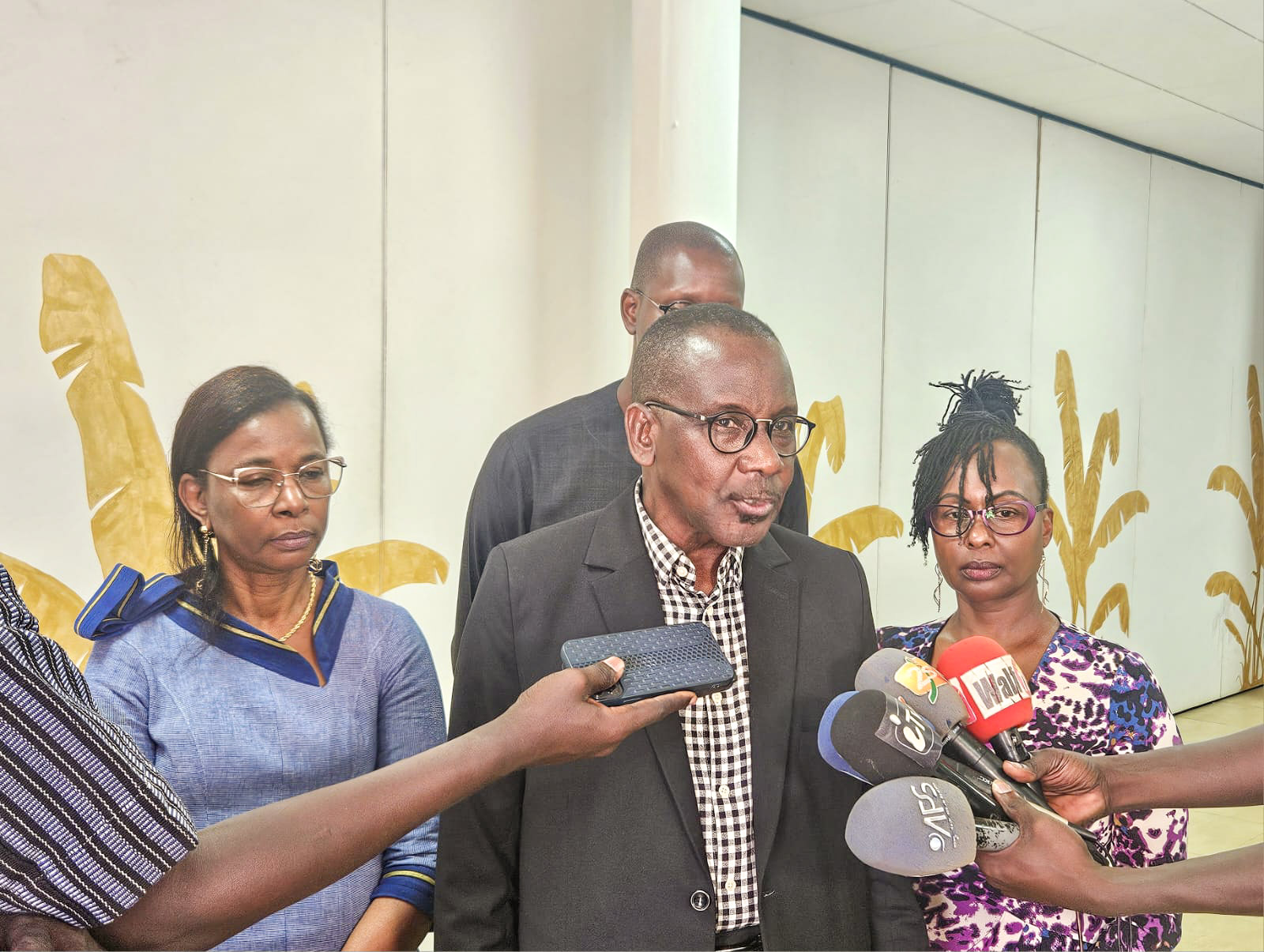
The process was led in Mozambique by African Fertilizer and Agribusiness Partnership (AFAP), Ministry of Agriculture, Environment, and Fisheries (MAAP), International Fertilizer Development Center (IFDC), Centre for Coordination of Agricultural Research and Development for Southern Africa (CCARDESA and Mozambican Association for Fertilizers (AMOFERT). This was made possible by funding from the Foreign Commonwealth and Development Office (FCDO), and brought together representatives from government, the private sector, research institutions, and development partners.
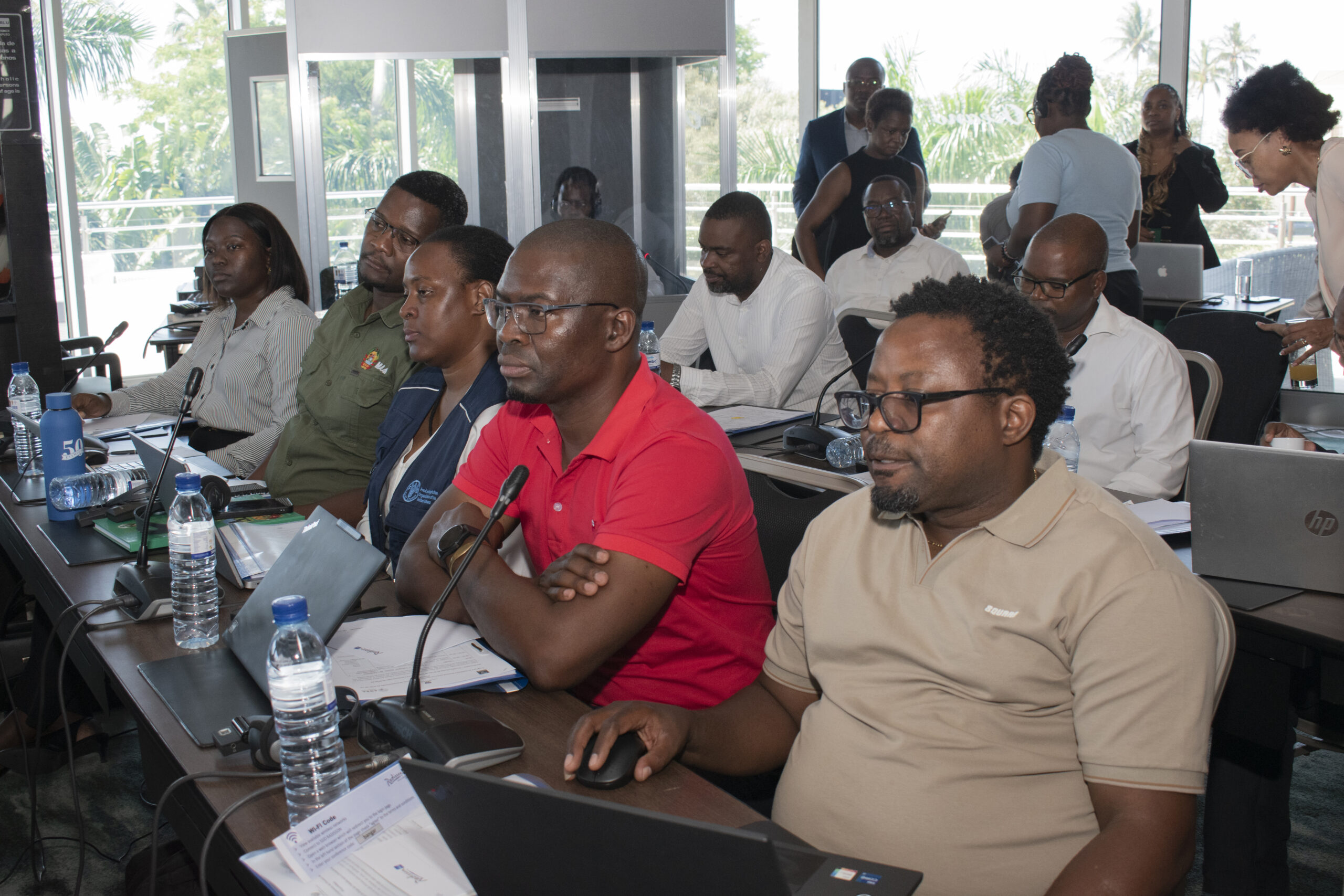

Discussions centered on aligning Mozambique’s agricultural policy objectives with key continental frameworks, including the Nairobi Declaration, and the CAADP Kampala Declaration. Participants reviewed existing national policies and institutional arrangements to identify gaps, alignment needs, and strategic actions required to strengthen fertilizer and soil health systems.
Insights from the Sustain Africa Learning Agenda informed the dialogue, highlighting the importance of realistic, evidence-based approaches grounded in country context and implementation capacity.
Developing the National Action Plan (2026–2034)
A core outcome of the workshop was the development of the first draft of Mozambique’s National Action Plan on Fertilizers and Soil Health (2026–2034). A technical working group led a structured process to:
This step represents a shift from policy dialogue to actionable planning.


Key Policy Considerations and Recommendations
Stakeholders emphasized the need for the action plan to respond directly to Mozambique’s agricultural realities and deliver measurable outcomes. Key policy considerations included:
Participants highlighted that predictable policies and effective regulation are essential to building functional fertilizer markets and avoiding unintended consequences such as informal or black markets.
The workshop concluded with a shared commitment to domesticate and implement the National Action Plan. Agreed next steps include a national dissemination webinar, development of a technical paper, and continued stakeholder engagement to refine the roadmap.
The domestication and implementation of the AFSH-AP positions Mozambique to advance food security, enhance competitiveness, and strengthen climate resilience, while ensuring alignment between national priorities and continental commitments. Sustain Africa and its partners remain committed to supporting the Government of Mozambique and stakeholders as the action plan moves from draft to implementation.