

Years of conflict and economic instability have made farming increasingly difficult in Sudan. Smallholder farmers are grappling with rising production costs, limited access to finance, volatile input prices, and shrinking profit margins. For many, operating individually has made it even harder to access affordable agricultural inputs, secure financing, or negotiate fair prices for their produce. A Collective […]
Years of conflict and economic instability have made farming increasingly difficult in Sudan. Smallholder farmers are grappling with rising production costs, limited access to finance, volatile input prices, and shrinking profit margins. For many, operating individually has made it even harder to access affordable agricultural inputs, secure financing, or negotiate fair prices for their produce.
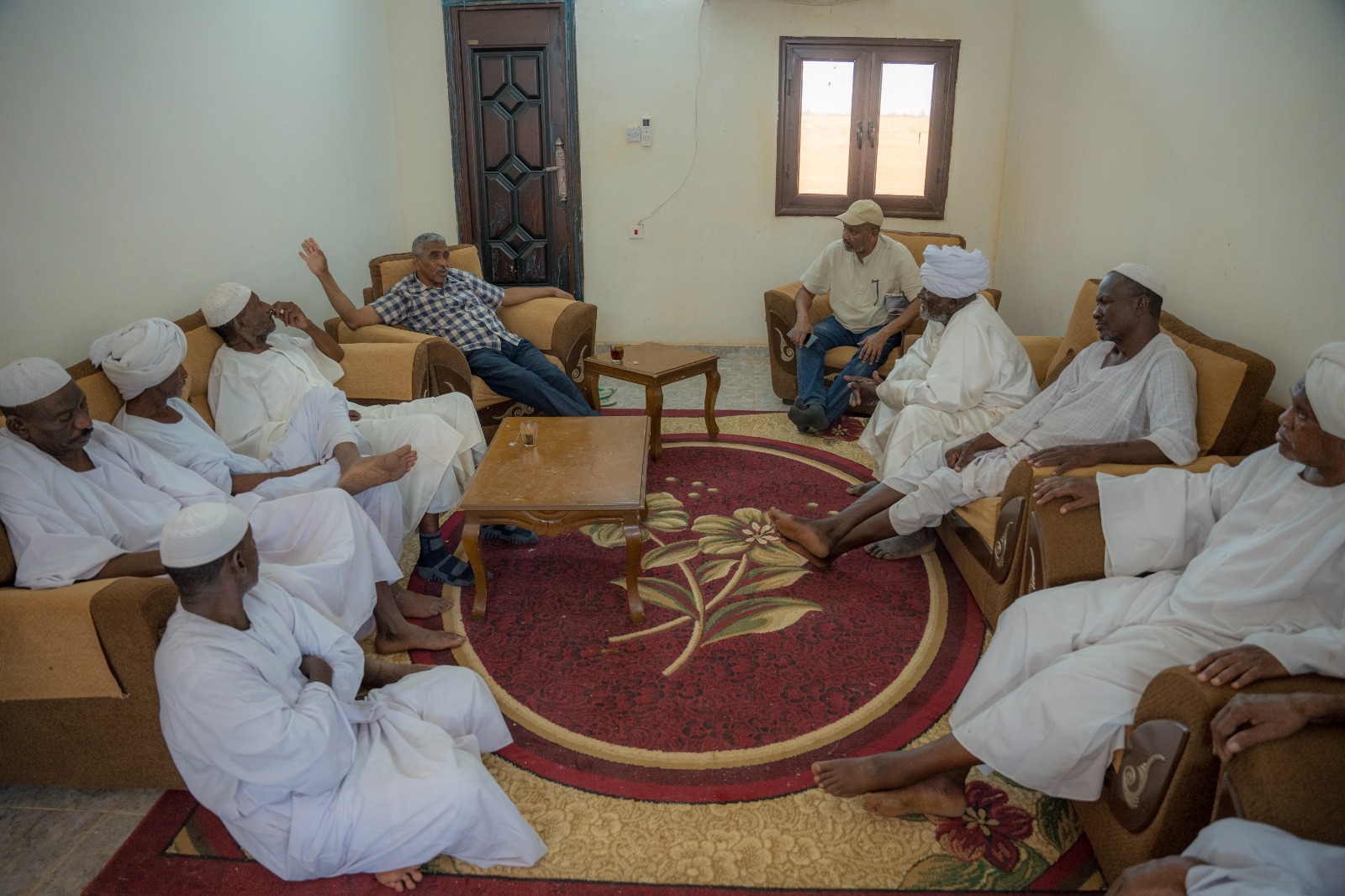
In Khartoum State, a new initiative is helping farmers address these challenges through collective action. Supported by Sustain Africa Initiative, CIMMYT (the International Maize and Wheat Improvement Center), and local agrodealers, potato farmers are forming farmers’ associations to strengthen their bargaining power, reduce production costs, and improve access to markets and financial services.
Farmers Association in Khartoum State
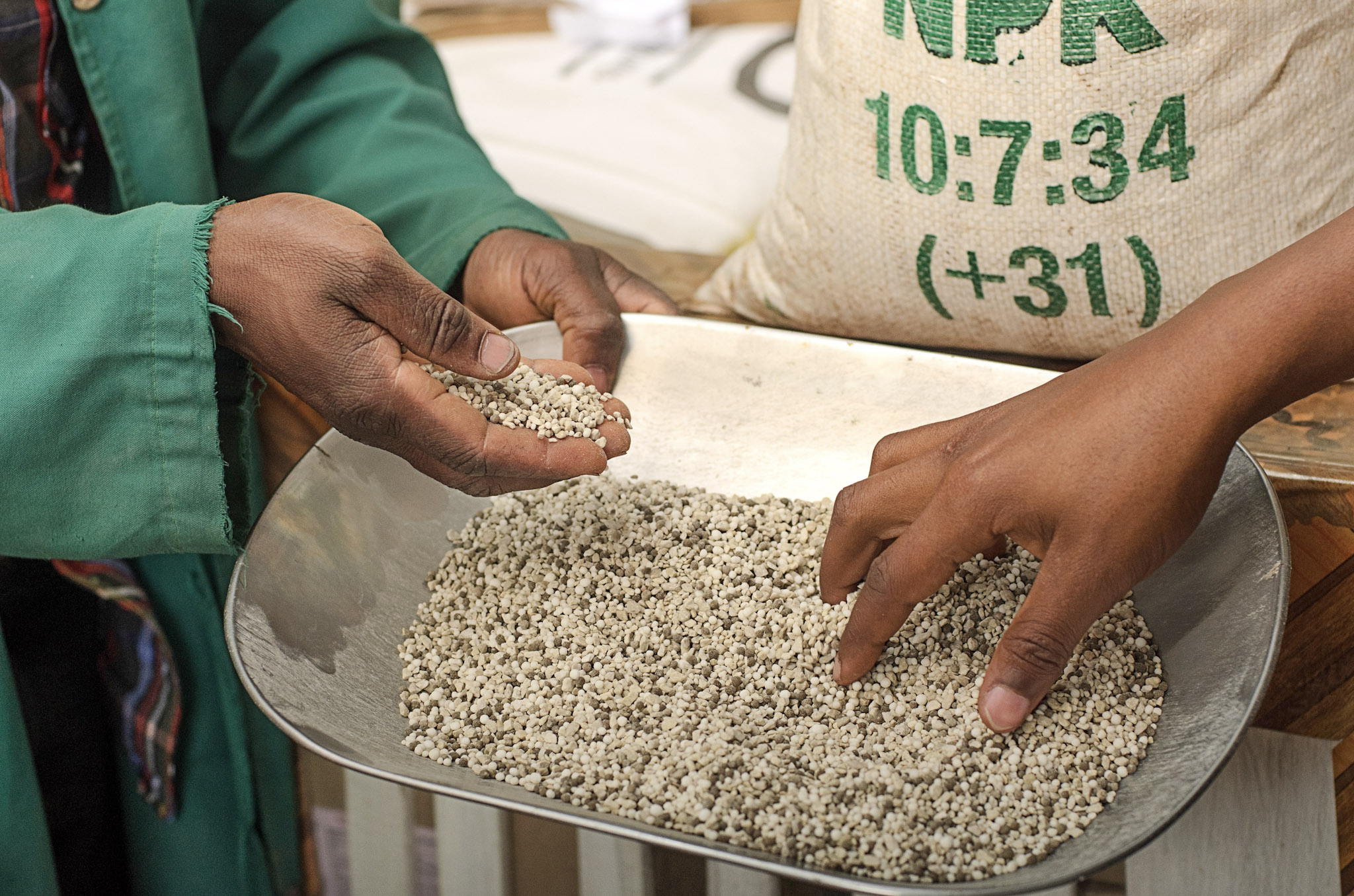
The associations, each bringing together 10 farmers, provide a practical mechanism for pooling resources and reducing the cost of essential inputs such as seed, fertilizer, and fuel through bulk purchasing. By aggregating demand, farmers can negotiate wholesale prices that would otherwise be beyond the reach of individual producers.
Collective organization also strengthens farmers’ position in the marketplace. Rather than selling individually to intermediaries, association members will be better placed to negotiate directly with larger buyers, including supermarkets and food processors, helping them secure more competitive prices and improve household incomes.
Beyond marketing, the associations create opportunities for farmers to access financial services that are often unavailable to individuals. Once formally registered with the relevant authorities, the groups will have legal status, enabling them to apply for larger agricultural loans and engage more effectively with financial institutions and suppliers.
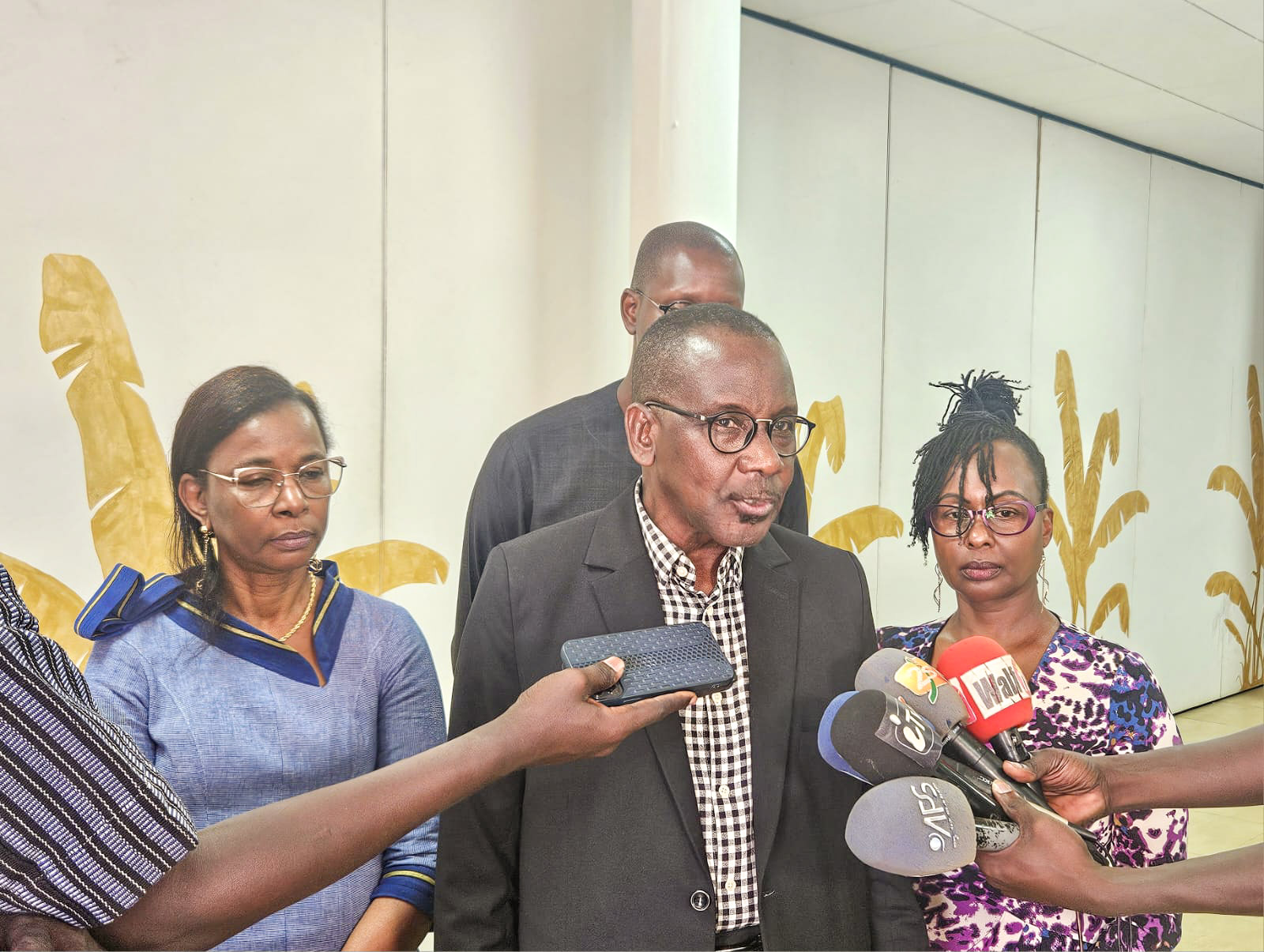
According to Dr. Murtada Kamal, CIMMYT’s lead in Sudan, the initiative is designed to build both economic and institutional resilience. By organizing farmers into legally recognized groups, the associations enable members to reduce production costs, improve market access, and strengthen their capacity to invest in their farms despite an increasingly challenging operating environment.
The process has already begun, with farmers signing agreements to establish the associations and initiating the legal registration required for official recognition.
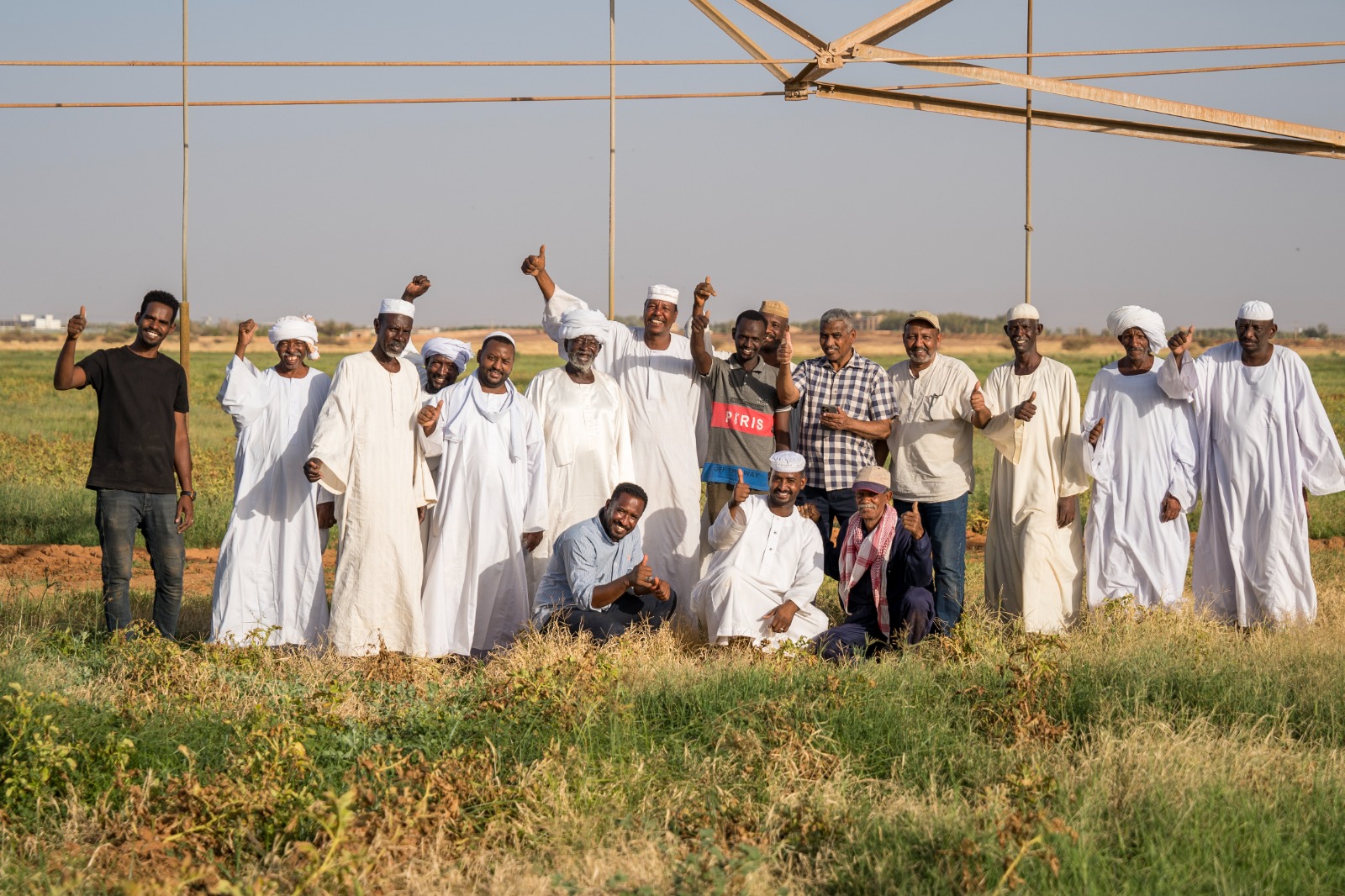
Potato farmers in Khartoum State, Sudan, cheer as they take the first step to form the Farmers Association. Photo credit: CIMMYT
The benefits extend beyond economics. The associations also provide a platform for farmers to exchange knowledge on improved production practices, integrated pest management, and climate adaptation strategies, helping members respond collectively to changing agricultural conditions.
For Ahmed Ali, a potato farmer from Omdurman, the new association represents an important shift in how farmers can address shared challenges.
“Working together will help us learn from each other’s experiences on new cultivation techniques, pest control, and weather adaptation.”
He believes that collective action will also strengthen farmers’ businesses by enabling them to reduce costs, improve their negotiating position, and increase the stability of their incomes.
In a context where conflict continues to disrupt agricultural production and rural livelihoods, farmers’ associations offer a practical pathway to recovery. By strengthening cooperation, improving access to finance and markets, and building local capacity, the initiative is helping smallholder farmers become more resilient while laying the foundations for more inclusive and sustainable agricultural development.
Authored by: Maria Monayo, Shakir Yahia,
Reviewed and published by: Ferguson Olemarampa