


For months, Ahmed Abdallah and his family worked tirelessly on their land in the New Halfa Agricultural Scheme, preparing for the wheat cultivation season they hoped would secure their future. Like many farming families in Sudan, they depended entirely on the harvest for their income, food, and survival. Relief finally came when they secured a […]
For months, Ahmed Abdallah and his family worked tirelessly on their land in the New Halfa Agricultural Scheme, preparing for the wheat cultivation season they hoped would secure their future. Like many farming families in Sudan, they depended entirely on the harvest for their income, food, and survival. Relief finally came when they secured a loan from the Agriculture Bank of Sudan to purchase fertilizer; a critical input for producing healthy crops and good yields.
But as the winter 2025 planting season approached, uncertainty quickly replaced optimism. Inputs had become scarce across local markets, and prices had soared beyond the reach of many farmers. Abdallah feared that despite months of hard work, his family would not be able to grow enough wheat to sustain their livelihood.

Ahmed Abdallah (right) proudly stands beside his wheat production in the New Halfa Agricultural Scheme. Photo: Sustain Africa
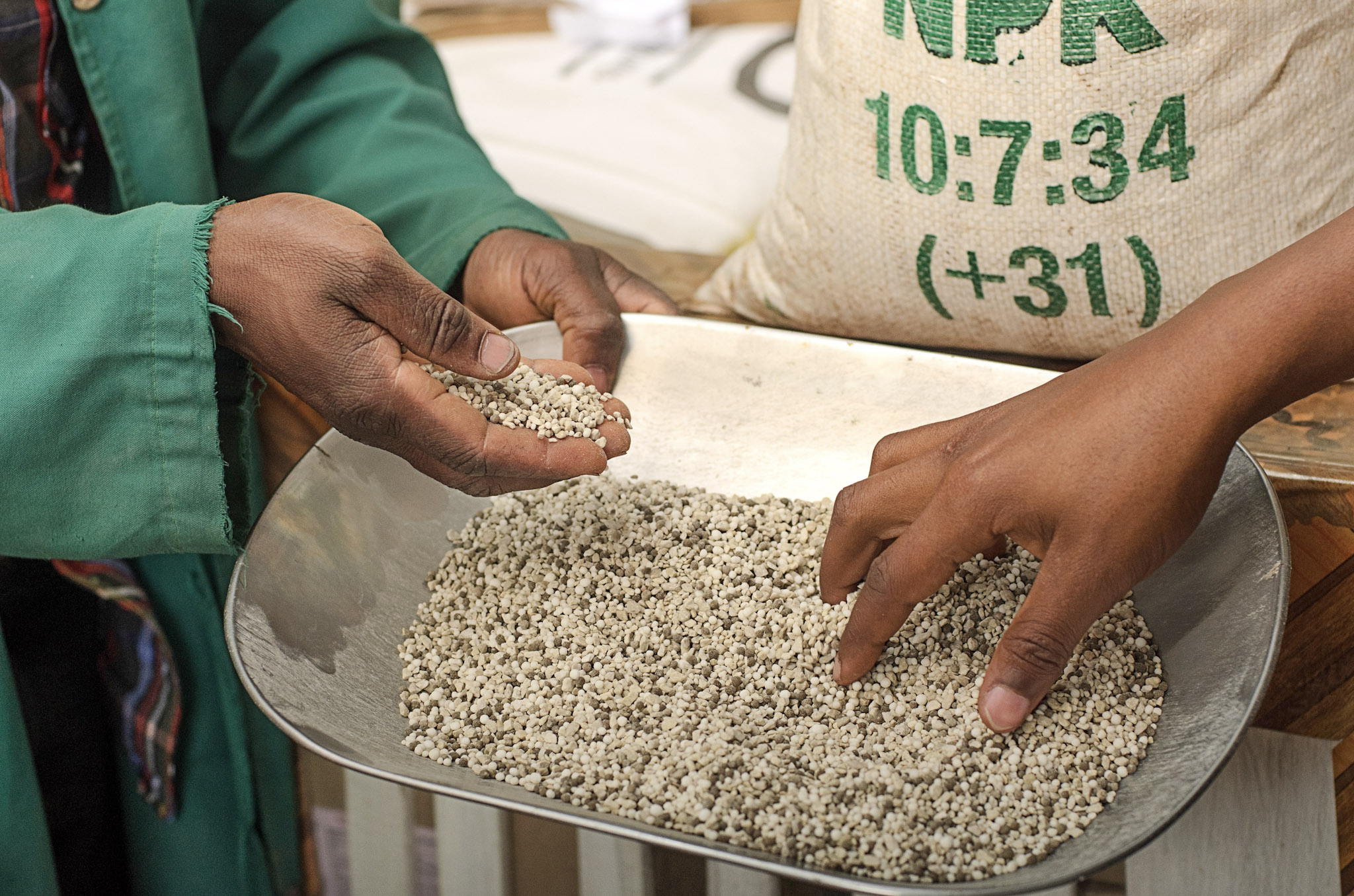
Hope returned when Sustain Africa — a pan-African initiative hosted by the International Fertilizer Development Center (IFDC) — stepped in alongside partners CIMMYT, 249Startups, and the Clingendael Institute. Together, they supported four Sudanese private-sector companies in importing 48,500 metric tons of high-quality fertilizer and 5,200 Irish potato seeds to help rescue Sudan’s cultivation season amid ongoing conflict and economic hardship.
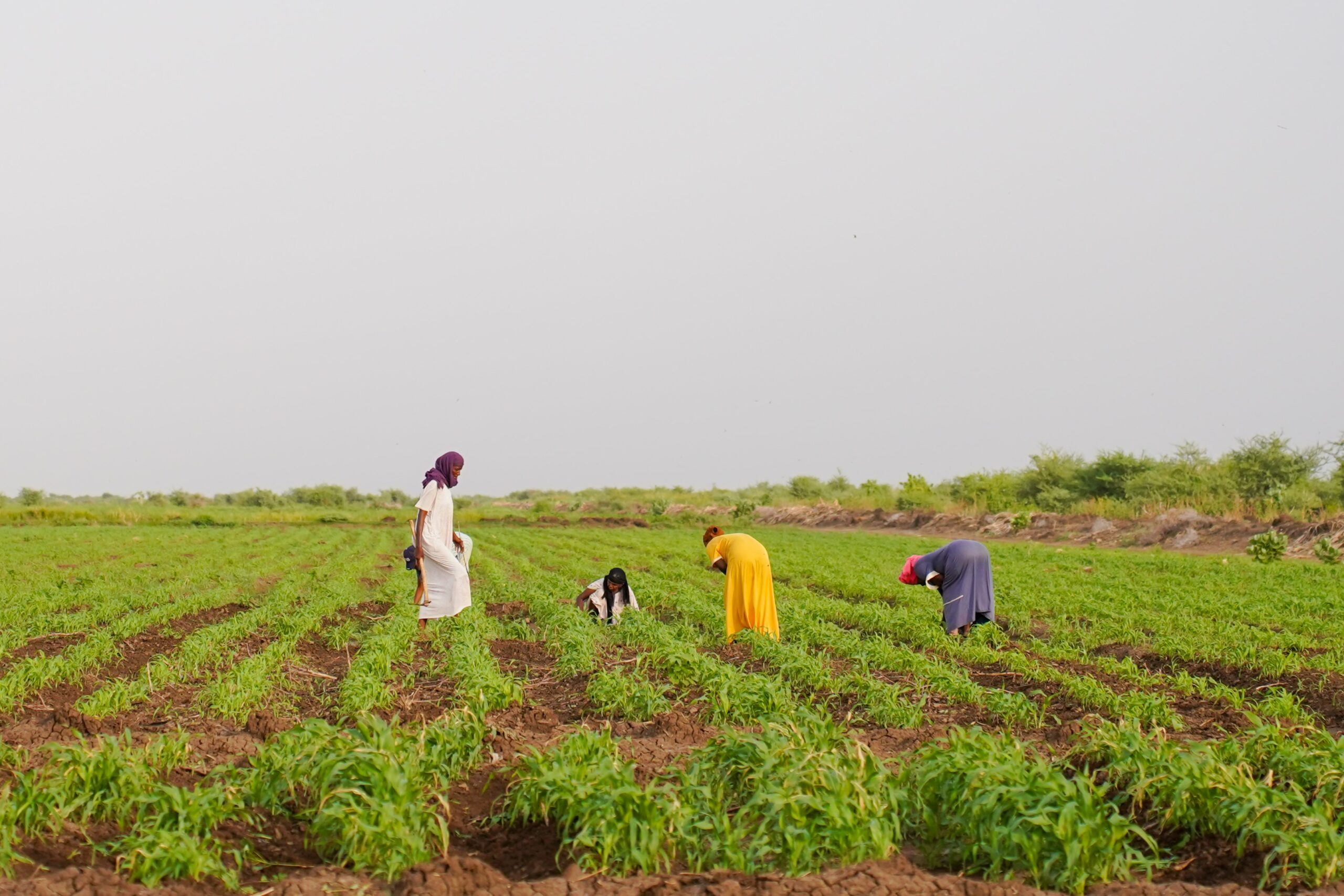
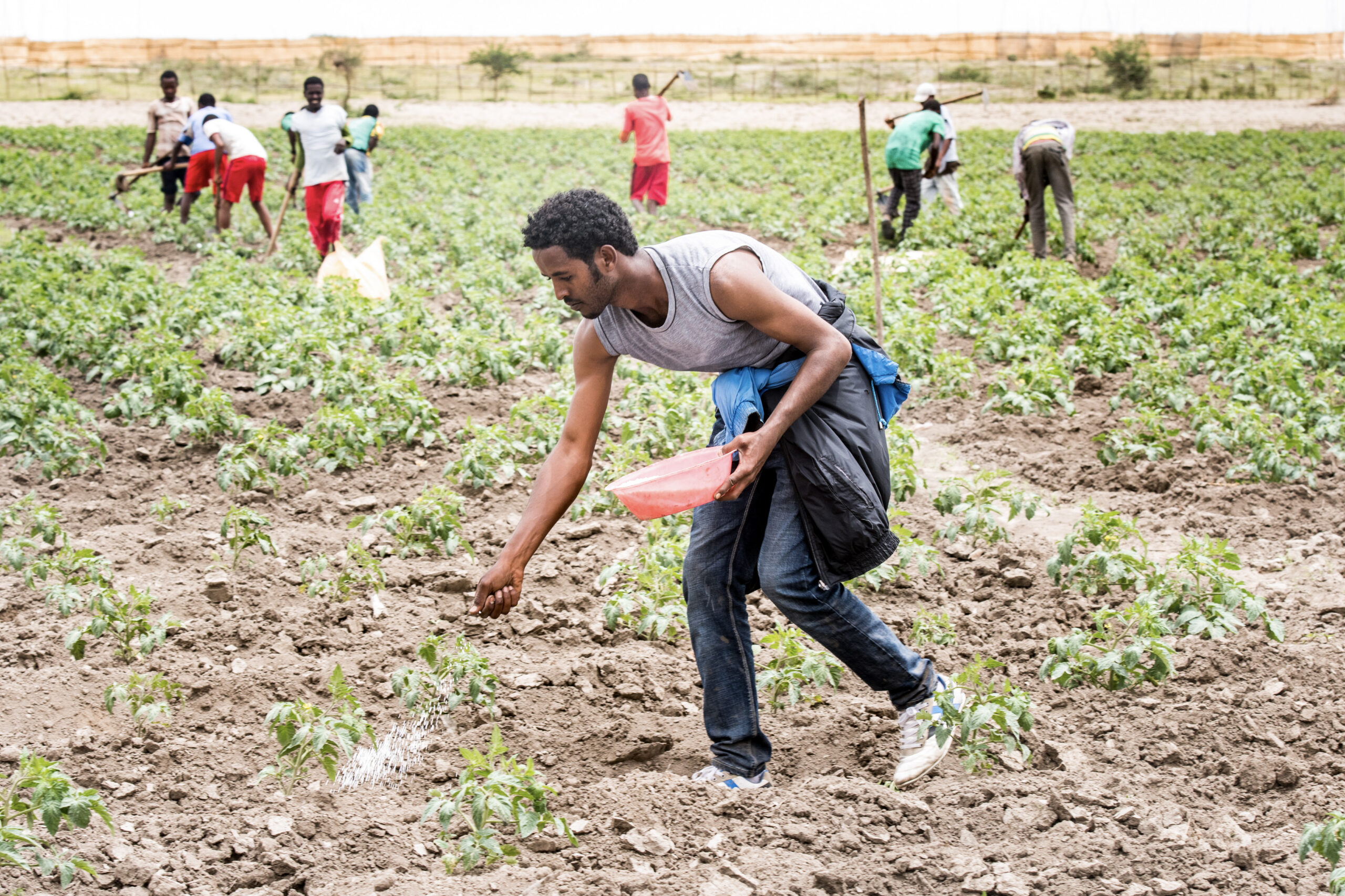
The arrival of affordable fertilizer transformed the season for Abdallah and hundreds of other farmers in New Halfa. With renewed determination, his family worked day and night across their five feddans of farmland, determined to make the most of the opportunity.
“Receiving the fertilizers on time gave my family and me renewed hope and motivation,” he said. “We worked day and night on our five feddans, determined to make the most of the season and secure a good harvest.”Ahmed Abdallah, farmer, New Halfa Agricultural Scheme.
By the end of April, wheat fields across New Halfa were ready for harvest. For Abdallah, the outcome exceeded expectations. His yields were strong enough to repay the bank loan, while the profits allowed him to begin preparing for the next cultivation season and invest in livestock to start a small flock.
Farmers in the New Halfa Agricultural Scheme are busy packing their harvested wheat. Photo credit Sustain African.
“My yield is great, and I was able to pay back the loan I got from the bank,” he said joyfully.
With the profits, he plans to prepare for the next cultivation season and buy livestock to establish a small flock for his family.
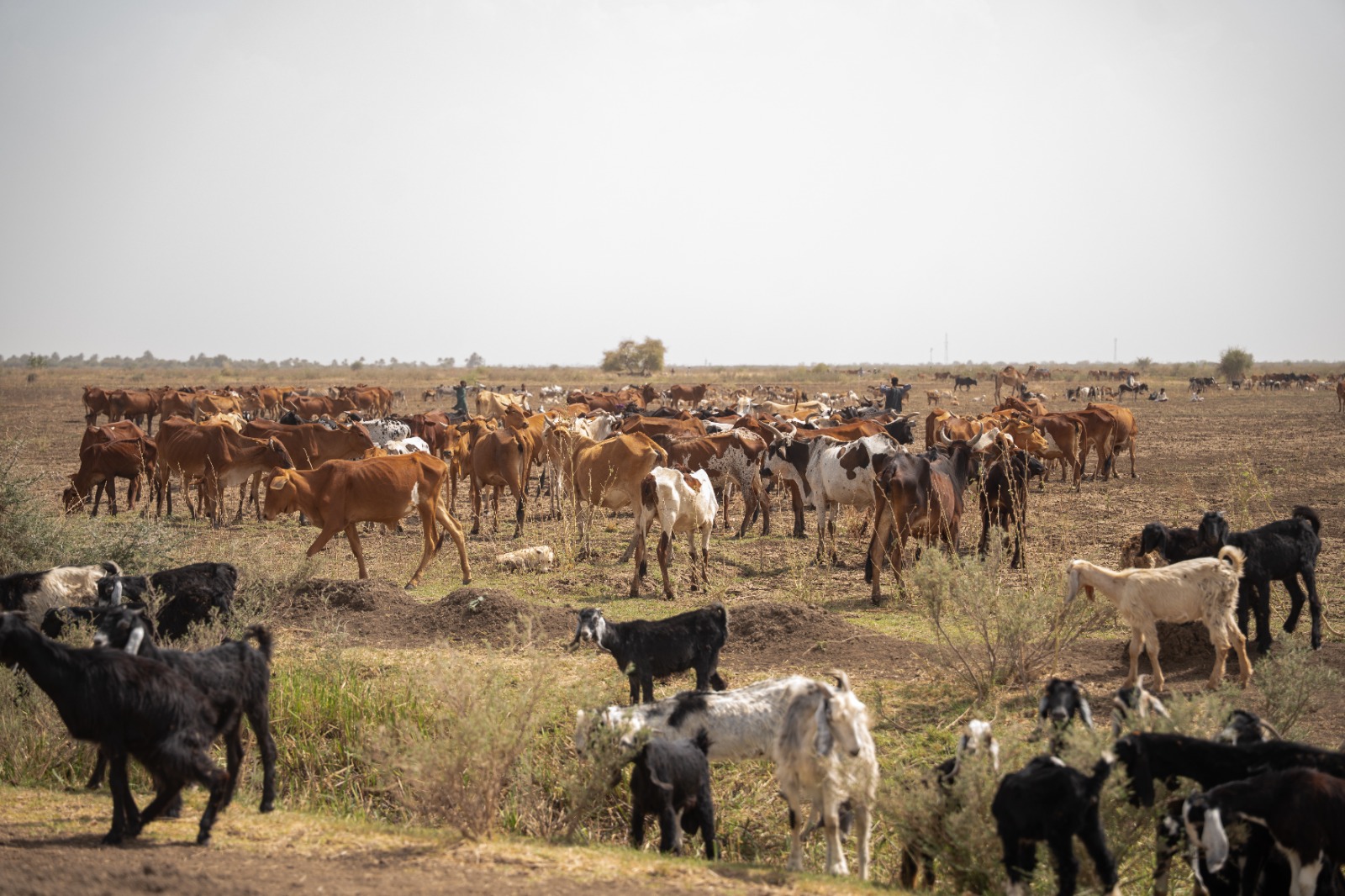
Cattle in the New Halfa Agricultural Scheme, as farmers usually mix between cultivation and animal breeding. Photo: Sustain Africa
Stories like Abdallah’s highlight the critical role of timely and affordable agricultural inputs in fragile economies. In countries facing conflict, access to fertilizer can mean the difference between crop failure and food security. Beyond improving yields, it strengthens food security, protects livelihoods, supports local markets, and helps farming communities remain resilient during times of crisis.
Authored by: Maria Monayo, Shakir Babiker and Mohamed Salah
Reviewed and published by: Ferguson Olemarampa