



The next fertilizer crisis is inevitable. Whether it becomes a food crisis depends on what we invest in now. Join Us Today It has become apparent that global food security is only as stable as the systems that sustain it. The escalation of tensions involving the United States, Israel, and Iran that began in February 2026, with the subsequent blockade of the Strait of Hormuz, has sent shockwaves far […]

The next fertilizer crisis is inevitable.
Whether it becomes a food crisis depends on what we invest in now.
It has become apparent that global food security is only as stable as the systems that sustain it. The escalation of tensions involving the United States, Israel, and Iran that began in February 2026, with the subsequent blockade of the Strait of Hormuz, has sent shockwaves far beyond the Persian Gulf. What began as a geopolitical crisis is rapidly evolving into a fertilizer shock, with profound implications for global food systems.
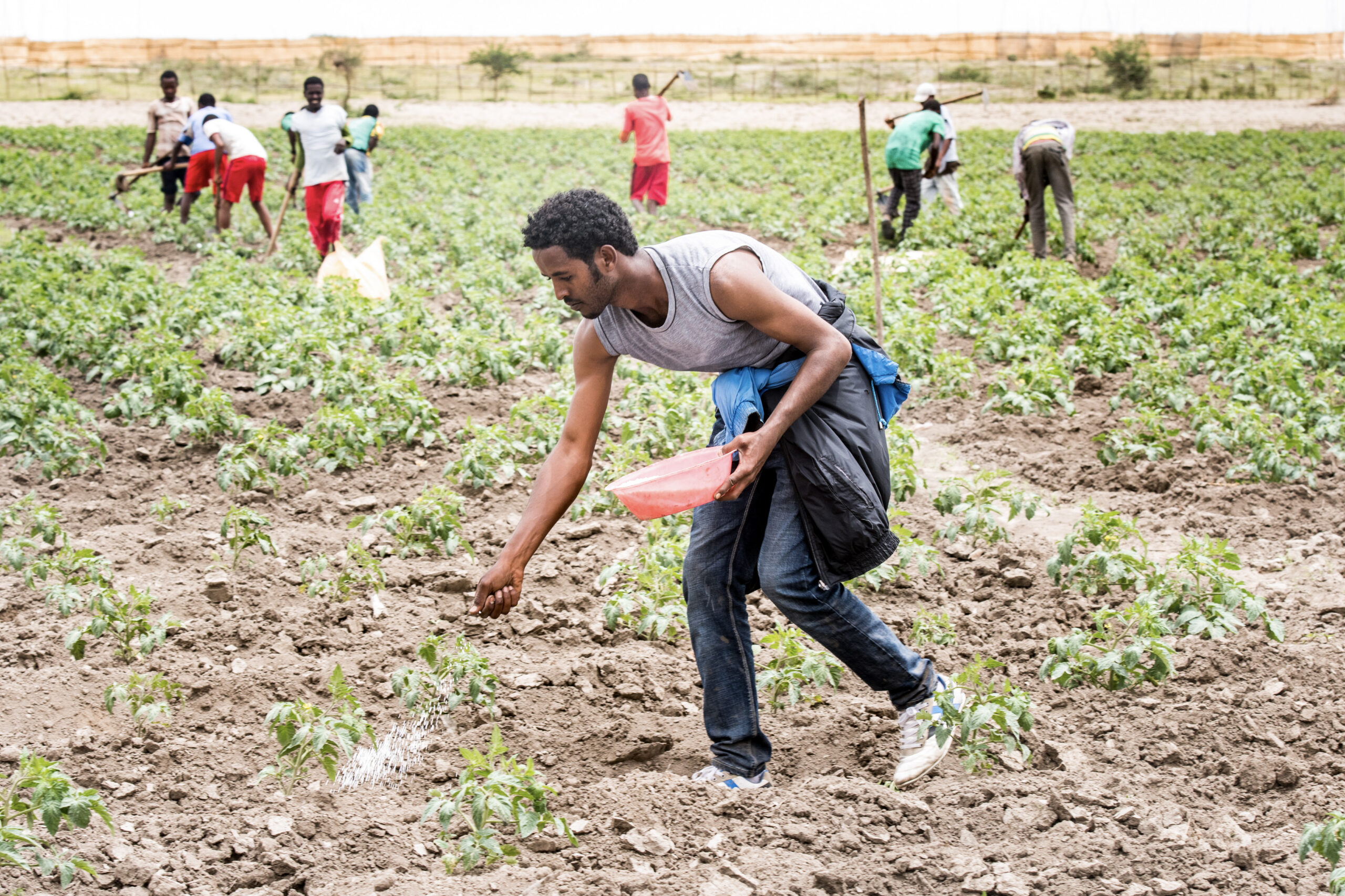
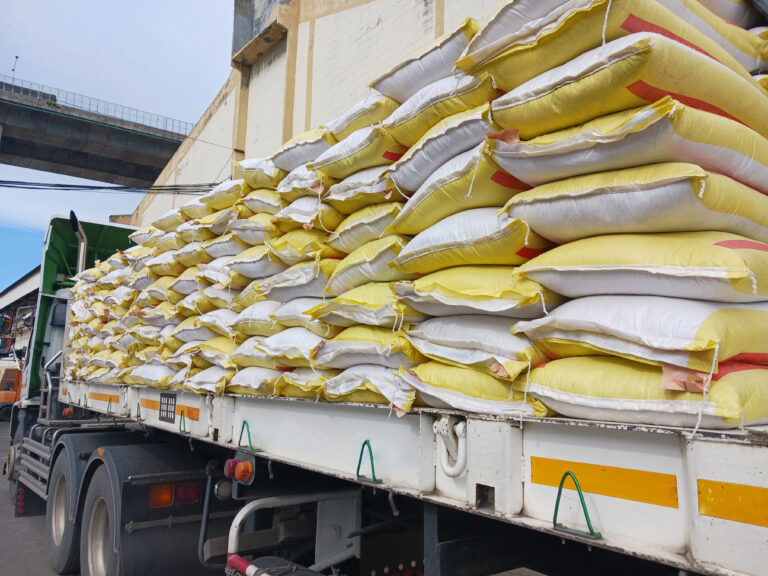
The Strait of Hormuz is a critical artery for fertilizer trade. Its disruption has driven sharp increases in freight and insurance costs, delayed shipments, and injected uncertainty into already fragile markets. Within a matter of weeks, nitrogen fertilizer prices have surged dramatically, tightening supply chains and placing immense pressure on farmers worldwide. For regions such as Africa, Latin America, and Asia, where many countries depend heavily on imports, the repercussions have been immediate and severe: reduced fertilizer access, which will ultimately lead to lower crop yields and higher food prices.
What is striking, however, is the speed and breadth of the global response.
At the center of the effort to mitigate these circumstances is the Global Fertilizer Crisis Response Group (GFCRG), led by IFDC,1-6 Sustain Africa, and AfricaFertilizer, in close collaboration with key global and regional partners, including the Food and Agriculture Organization of the United Nations (FAO), the International Fertilizer Association (IFA), the World Bank, the African Development Bank (AfDB), and other public and private sector institutions. Reinstated early in the crisis, the GFCRG has prioritized rapid intelligence sharing, issuing frequent alerts and policy guidance, as the world cannot afford a delayed response. By tracking market volatility and highlighting risks to planting seasons, especially in Africa, the group is pushing for coordinated action to stabilize supply chains, avoid export restrictions, and ensure farmers retain access to critical inputs.
Industry actors across Africa are also stepping up. Organizations such as the Africa Fertilizer Industry Development Association (AFIDA)7 and the African Fertilizer and Agribusiness Partnership (AFAP)8 are not only sounding the alarm but also reframing the crisis as an opportunity. Their calls go beyond emergency measures, emphasizing the need to build resilient regional fertilizer systems, invest in local production, and improve efficiency in fertilizer use. For Eastern Africa in particular, where supply shocks are already being felt, these interventions could determine whether the crisis becomes a temporary setback or a prolonged food emergency.
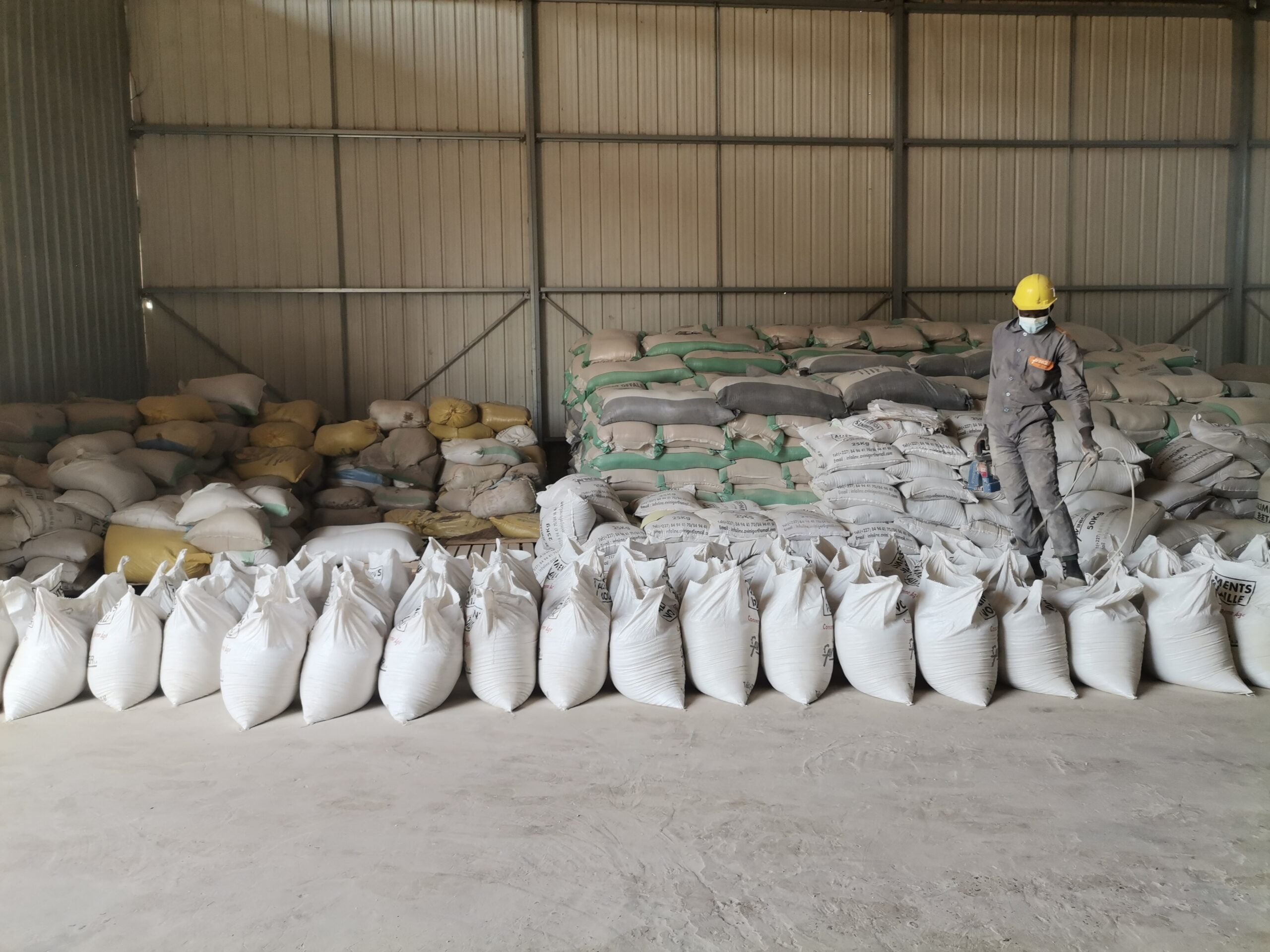
Bags of fertilizer in a warehouse to be shipped.
International organizations are reinforcing this urgency with data and policy direction. FAO9 has underscored the systemic nature of the crisis, linking fertilizer disruptions directly to global food insecurity risks. Meanwhile, IFA10-11 has issued a strong call to protect fertilizer supply chains from trade barriers and logistical breakdowns. Analytical work from the International Food Policy Research Institute (IFPRI)12-14 further warns that the current shock could trigger another wave of global food price spikes, with the poorest countries bearing the brunt of the impact.
Beyond the agricultural sphere, global institutions15 are grappling with the wider economic and humanitarian fallout. The United Nations Conference on Trade and Development16 (UNCTAD) has highlighted the disruption’s implications for global trade flows, particularly for developing economies. The World Bank17 is emphasizing resilience by supporting affected economies while urging structural reforms to weather future shocks. At the same time, the World Food Programme (WFP)18-22 is closely monitoring rising food insecurity risks, preparing for potential emergency responses. Farmers themselves, represented by the World Farmers’ Organisation (WFO),23 are warning that surging input costs are already eroding livelihoods. The World Trade Organization (WTO)24 has flagged another concern, noting that the conflict is further weighing on an already slowing global trade outlook.
While these actions have come faster than in previous crises, speed alone will not be enough.
The lessons from past disruptions – from the 2008 food crisis to more recent fertilizer shocks – are apparent. Fragmented responses, export bans, and delayed interventions only deepen the damage. What is needed now is sustained coordination, transparent markets, and deliberate protection of global trade flows. Fertilizer must be treated not just as a commodity, but as a strategic input essential to global stability.
For many parts of the world, the stakes are particularly high. This is not just about the next planting season; it is about long-term resilience. Investments in local production, regional trade integration, and smarter input use can reduce dependence on distant supply chains and buffer against future shocks.
The Strait of Hormuz crisis is a warning. It has exposed the fragility of interconnected systems, where conflict in one region can ripple into hunger in another. Yet it also offers a chance for governments, industry, and development partners to act with urgency, strengthen supply chains, and invest in more resilient fertilizer systems before the shock becomes a global food emergency.
International Fertilizer Development Center (IFDC)
1. Call for Urgent Coordination to Mitigate Global Agri-Food Crisis
War in the Middle East: Implications for Africa’s 2026 Planting Seasons
4.A Continental Response to a Global Shock: Safeguarding Africa’s Food Systems in a Time of Disruption
5.No Time to Lose: Africa’s Fertilizer Shock Becomes a Food Risk
6.Assessing Supply Risks and Demand Vulnerabilities Across Africa
Africa Fertilizer Industry Development Association (AFIDA)
African Fertilizer and Agribusiness Partnership (AFAP)
Food and Agricultural Organization of the United Nations (FAO)
IFA
International Food Policy Research Institute (IFPRI)
Joint Policy Brief: African Development Bank Group (AfDB), the African Union (AU), the United Nations Development Programme – Regional Bureau for Africa (UNDP) and the United Nations Economic Commission for Africa (UNECA)
United Nations Conference on Trade and Development (UNCTAD)
World Bank
World Food Programme (WFP)
World Farmers’ Organisation (WFO)
World Trade Organization (WTO)
Disclaimer
This analysis is based on information compiled from multiple publicly available sources and market intelligence. While every effort has been made to verify the accuracy of the information, the authors and publishers accept no liability for any loss, damage, or disruption caused by errors, omissions, or the use of this information.