



The next fertilizer crisis is inevitable. Whether it becomes a food crisis depends on what we invest in now. Join Us Today POLICY RESPONSES TO THE FERTILIZER CRISIS On February 28, 2026, the United States and Israel launched airstrikes on Iran, targeting military infrastructure, leadership, and nuclear sites. Iran responded by closing the Strait of Hormuz, severely disrupting global trade. Twenty-one hours of peace talks in Islamabad April 11-12 ended without a […]

On February 28, 2026, the United States and Israel launched airstrikes on Iran, targeting military infrastructure, leadership, and nuclear sites. Iran responded by closing the Strait of Hormuz, severely disrupting global trade. Twenty-one hours of peace talks in Islamabad April 11-12 ended without a permanent agreement. A two-week ceasefire is in effect but fragile.
The Persian Gulf remains a critical hub for nitrogen fertilizer production and trade, making the Strait of Hormuz disruption a major shock to global supply chains. Free–on–board (FOB) prices for granular urea are now hovering between $800 and $900 per metric ton (mt), up sharply from $493 per metric ton, with further gains likely. This sharp escalation is increasing farm input costs and food security risks. It has also heightened awareness policy challenges around fiscal support, supply chain stability, and alternative sourcing.
Against this backdrop, countries are responding in different ways – from direct subsidy reinforcement to emergency trade arrangements and emerging calls for coordinated global action.
Countries throughout the world are taking a variety of approaches to mitigate fertilizer shock, depending on fiscal space and market structure.
In advanced economies, such as the United States, the response has been driven by farmer pressure. The American Farm Bureau Federation cites that farmers are experiencing rising financial stress from fertilizer volatility and are calling for stronger support and supply chain protection. The situation is now framed as a food security and resilience issue, signaling a shift from market concern to strategic priority.
In India, the government has expanded subsidies to keep fertilizer prices affordable despite rising global costs. This includes continued urea and nutrient-based subsidies, insulating domestic markets from global price swings. India’s approach highlights how large economies are relying on fiscal interventions to stabilize supply and demand, unlike many African countries that depend more heavily on trade adjustments, emergency procurement, and donor-supported mechanisms.1
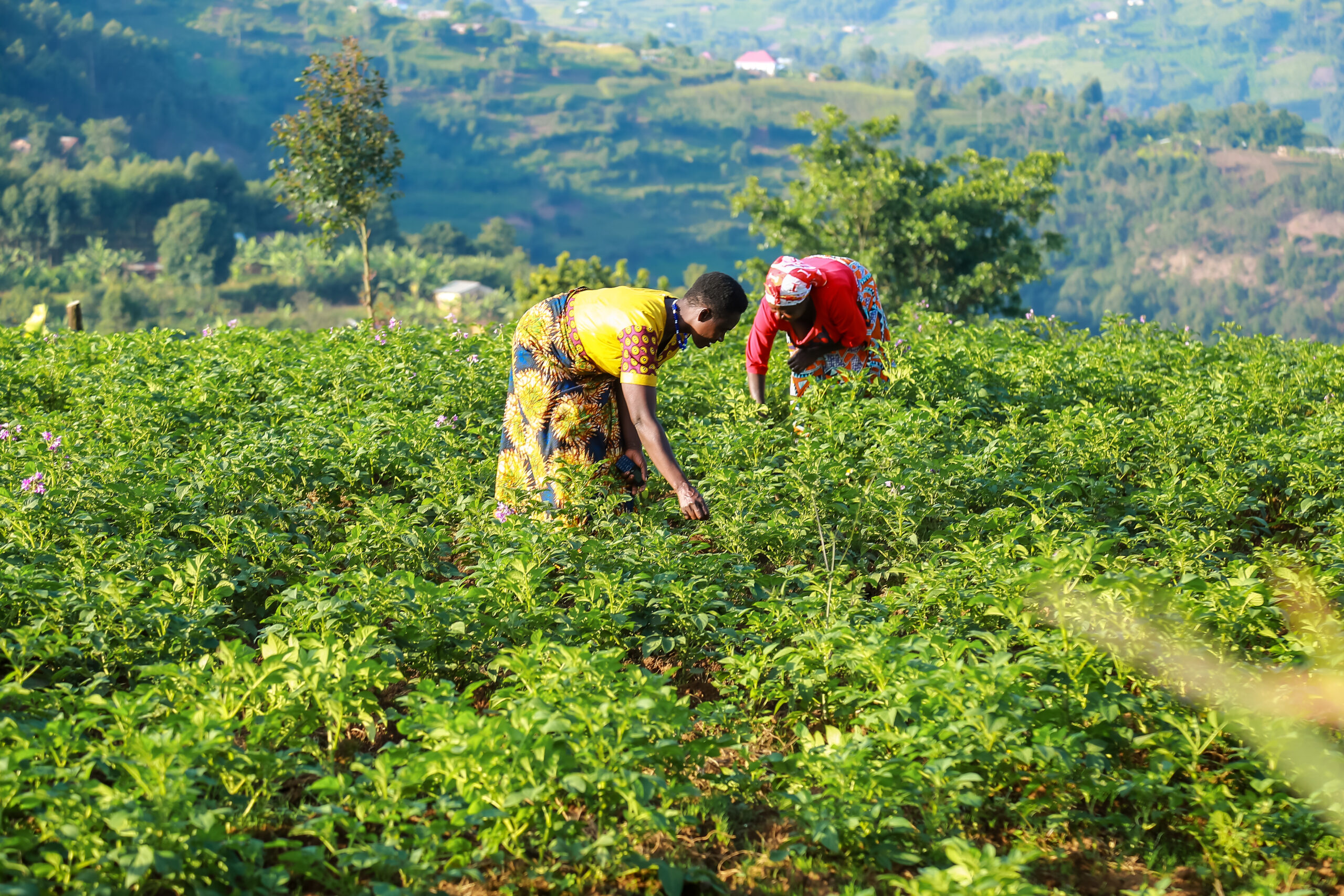
Farmers monitoring crop growth in a productive field.
Bangladesh’s2-6 agriculture sector contributes about 11% of the gross domestic product (GDP) and employs roughly 38% of the labor force, making it highly sensitive to fertilizer price shocks. In 2024, cereal production exceeded 66.5 million mt, with record maize output but declining wheat yield, reflecting a shift toward higher return crops that require more intensive fertilizer use, especially nitrogen.
To manage supply risks, the government has engaged diplomatically to secure safe transit guarantees for fertilizer shipments through the Strait of Hormuz. This reflects a broader shift in treating fertilizer access as a national food security priority rather than a purely commercial issue.
Ethiopia sources over 90% of its nitrogen fertilizer from the Gulf via Djibouti, a route that was already strained before the conflict. The country is classified as medium-to-high risk due to strong demand and moderate supply vulnerability. In response, Saudi Arabia supplied 50,000 mt of DAP to Ethiopia through an alternative route, reflecting the growing use of bilateral emergency supply arrangements as a short-term policy tool.7
Kenya and Tanzania are better positioned in the short term but remain vulnerable if disruptions persist into the next procurement cycle.
The Ministry of Agriculture and Livestock Development in Kenya has distributed about 5 million 50-kg bags of subsidized fertilizer under its national program, helping to ease earlier shortages. However, concerns persist that continued conflict could disrupt global supply chains and trigger renewed shortages. To reduce this risk, the government expects additional fertilizer shipments to arrive at the Port of Mombasa in the coming weeks to boost stocks and stabilize supply.8
In Tanzania, the Fertilizer Regulatory Authority reports sufficient fertilizer stocks to cover the country’s current season and the next planting cycle. However, it has noted that contingency measures are in place in case the conflict continues. These measures include short-term strategies to diversify supply sources, such as exploring imports from alternative suppliers, including Russia, for the August-October season.9
Uganda faces similar challenges due to import dependence and weak fertilizer demand. In March 2026, the Government of Uganda, through the Presidential Advisory Committee on Exports and Industrial Development (PACEID), signed a Memorandum of Understanding with Green Hydrogen Fertilizer Company (GHFC) to support fertilizer use and agricultural productivity. The initiative focuses on providing farmer training, strengthening extension services, and improving monitoring of fertilizer distribution and use nationwide.10
Sudan—already affected by war and a severe humanitarian crisis—is facing additional pressure from rising food, fuel, and transport costs, with freight rates up about 25%. Officials from the United Nations report that nearly half of Sudan’s fertilizer imports come from the Gulf, raising concerns ahead of the April–May planting season. This could disrupt access to key farm inputs and further undermine food production. The United Nations is seeking $2.2 billion to support 14 million people in Sudan and is calling for key aid corridors, including the Adre border crossing from Chad, to remain open.11
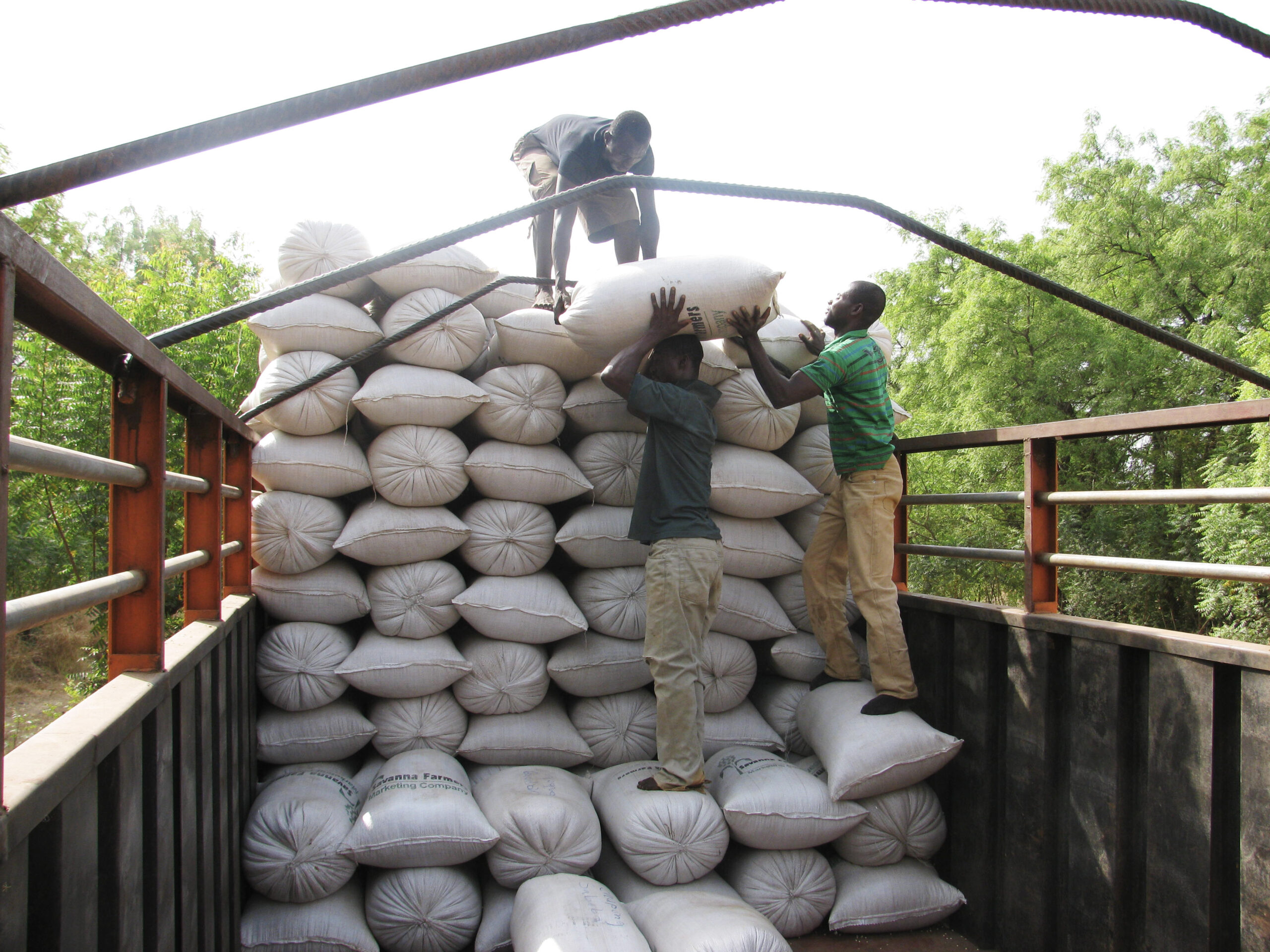
Fertilizer sacks being loaded onto a transport vehicle for delivery
To help mitigate the current fertilizer shock, IFDC, Sustain Africa, and AfricaFertilizer have recently reinstated the Global Fertilizer Crisis Response Group (GFCRG), working with the Food and Agriculture Organization of the United Nations (FAO), the International Fertilizer Association, the World Bank Group, the African Development Bank, the African Union, and other partners. The GFCRG’s mandate is early warning, coordinated procurement, policy stabilization, and finance. These actions are necessary to ensure farmers have access to the resources they need to safeguard food security.
This analysis is based on information compiled from multiple publicly available sources and market intelligence. While every effort has been made to verify the accuracy of the information, the authors and publishers accept no liability for any loss, damage, or disruption caused by errors, omissions, or the use of this information.