Women at the Heart of Sudan’s Agriculture Women have long been the backbone of agricultural production in Sudan, playing a vital role in sustaining household incomes and strengthening national food security. They are involved at every stage of the agricultural cycle—from preparing land and planting crops to weeding, harvesting, and selling produce in local markets. […]
Women have long been the backbone of agricultural production in Sudan, playing a vital role in sustaining household incomes and strengthening national food security. They are involved at every stage of the agricultural cycle—from preparing land and planting crops to weeding, harvesting, and selling produce in local markets. Yet when access to essential agricultural inputs such as seeds, fertilisers, fuel, and financing is disrupted, women often bear the greatest burden. The consequences include declining incomes, worsening food insecurity, and increased economic vulnerability.
“The ongoing conflict in Sudan has significantly disrupted agricultural production,” said Fatima, an agricultural labourer in New Halfa. “Essential farming activities, including land preparation, field clearing, and harvesting, were severely affected, threatening both our livelihoods and our ability to provide for our families.”

Women farmers support after harvest operations in New Halfa Scheme. Photo: CIMMYT
The conflict has severely disrupted Sudan’s agricultural supply chains, triggering acute shortages of fertilisers and driving up prices across much of the country. As a result, crop yields have declined, household incomes have fallen, and many farming families have struggled to produce enough food or maintain stable livelihoods, deepening food insecurity and economic hardship.
As fertilisers gradually return to local markets, however, many women farmers are beginning to rebuild their farms and restore their livelihoods.
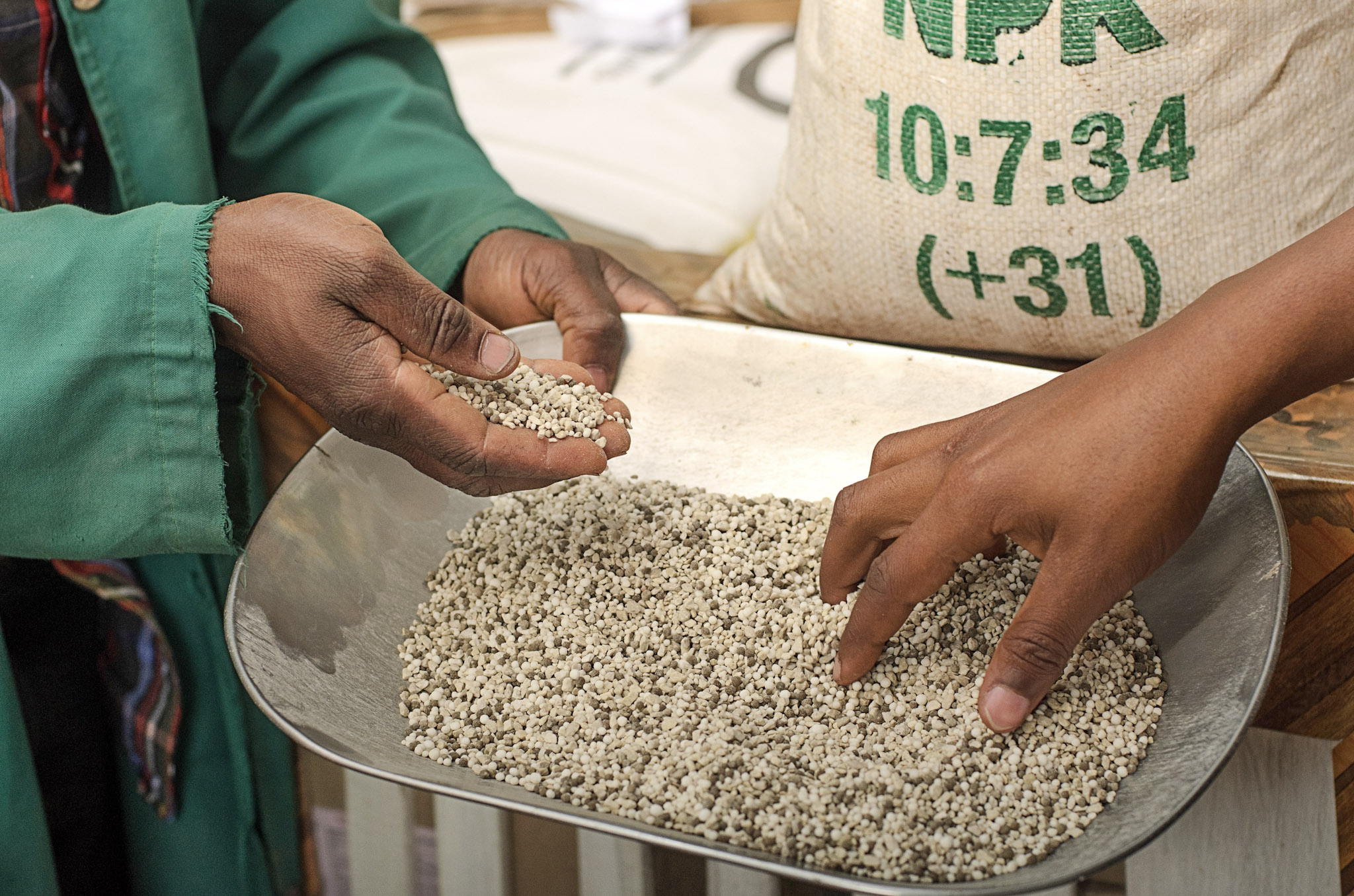
To help cushion the impact of the conflict on Sudan’s agricultural sector, Sustain Africa—a pan-African initiative hosted by the International Fertilizer Development Center (IFDC) and implemented in partnership with CIMMYT—supported three Sudanese private-sector companies to import 53, 700 metric tons of high-quality fertilisers and Irish seed potatoes. The inputs were distributed across several regions of the country to help safeguard agricultural production during the cultivation season.
The project is courtesy of a catalytic funding from Ministries of Foreign Affairs of the Netherlands and Norway.
In eastern Sudan’s vast New Halfa Agricultural Scheme, farmers were able to access much-needed fertilisers and other essential inputs through microfinance institutions, including the Sudanese Agricultural Bank and Al Abdah Bank. The support enabled many producers to continue farming despite widespread supply shortages.
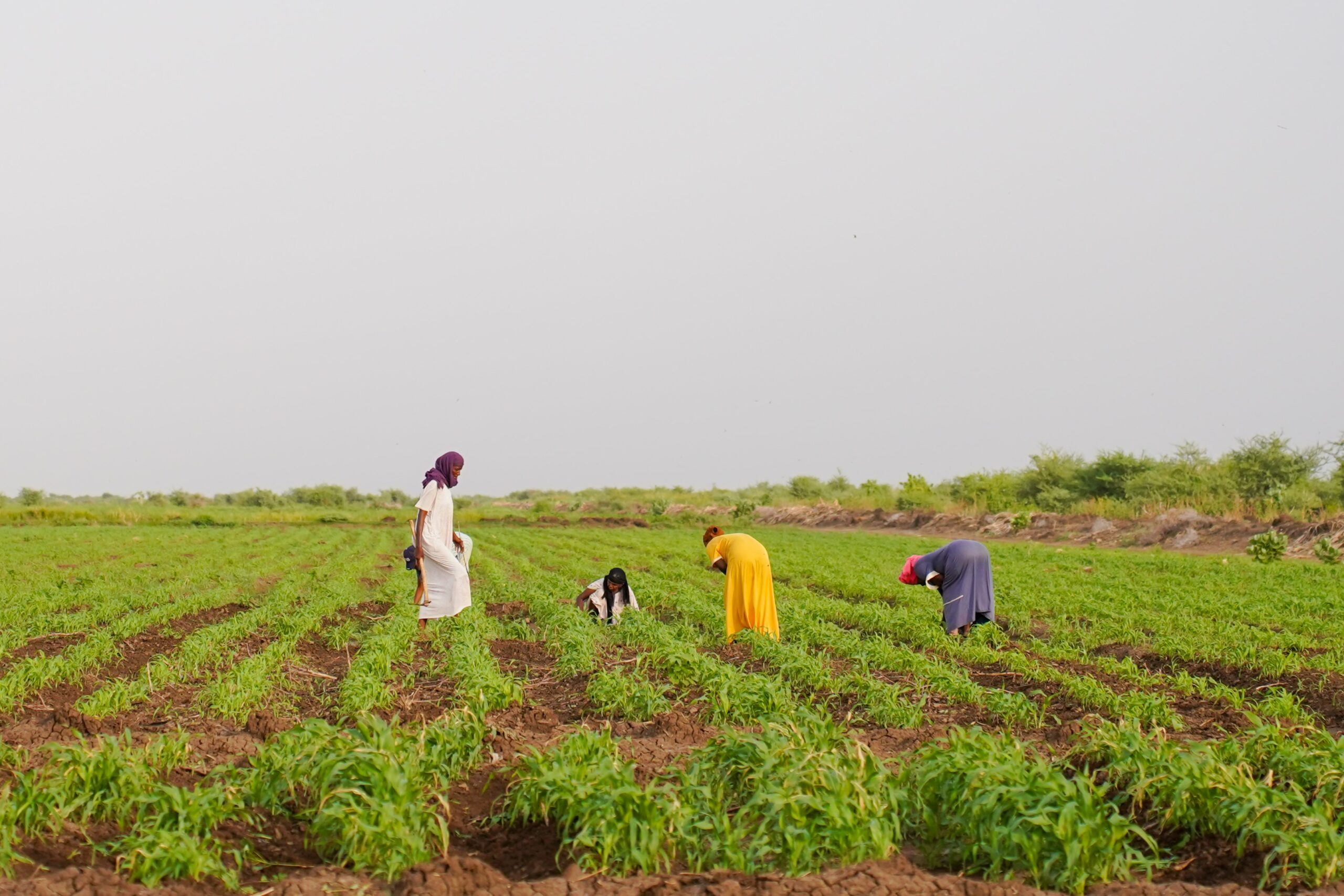
Women farmers tend to their sorghum farm in Sudan. Photo: CIMMYT
“As more land was cultivated in my area, more work opportunities became available,” said Fatima. “We had enough work to earn a living for our families. Even after the harvest season, we continued working by cleaning sorghum, wheat, and other crops.”
For many women, the additional income has created opportunities that extend well beyond the farm. It has enabled them to pay school fees, purchase essential medicines, invest in livestock, and meet everyday household expenses. Some have begun saving to expand their farming activities, while others have used the income to start small businesses, helping diversify household incomes and strengthen their families’ resilience in the face of ongoing economic uncertainty.

Photo: Women farmers working hard in their field in South Kordofan. Photo: CIMMYT
The benefits of improved access to fertilisers, quality seeds, and agricultural financing extend far beyond individual farms. As production increases and harvests improve, local markets become better supplied with staple foods, boosting food availability and helping stabilise prices. A more productive agricultural sector also stimulates local economies, creating income opportunities for traders, transporters, input suppliers, and other businesses that rely on farming. Together, these gains strengthen community resilience and support economic recovery.
“With the summer and winter growing seasons fast approaching, we are hopeful that the continued availability of fertilisers and improved seeds will enable more farmers to cultivate their land,” said Fatima. “Greater agricultural activity means more employment opportunities, stronger livelihoods, and improved food security for our communities.”
The delivery of agricultural inputs across Sudan reached approximately 101,634 farmers, supporting the application of inputs across 214,158 hectares of land in 11 states. These interventions contributed to significant harvests, with farmers producing approximately 259,200 metric tonnes of potatoes and 500,151 metric tonnes of wheat, demonstrating the tangible impact of timely agricultural support in strengthening food production and farmers’ livelihoods across the country.