

“This potato cultivation season was different for me because I received certified seeds and fertilisers at the right time to begin planting. In the past, we rarely received both inputs when we needed them.” Adam Alnour, a potato farmer from West Omdurman in Khartoum State. For Adam Alnour, a potato farmer from West Omdurman in Khartoum […]
“This potato cultivation season was different for me because I received certified seeds and fertilisers at the right time to begin planting. In the past, we rarely received both inputs when we needed them.” Adam Alnour, a potato farmer from West Omdurman in Khartoum State.
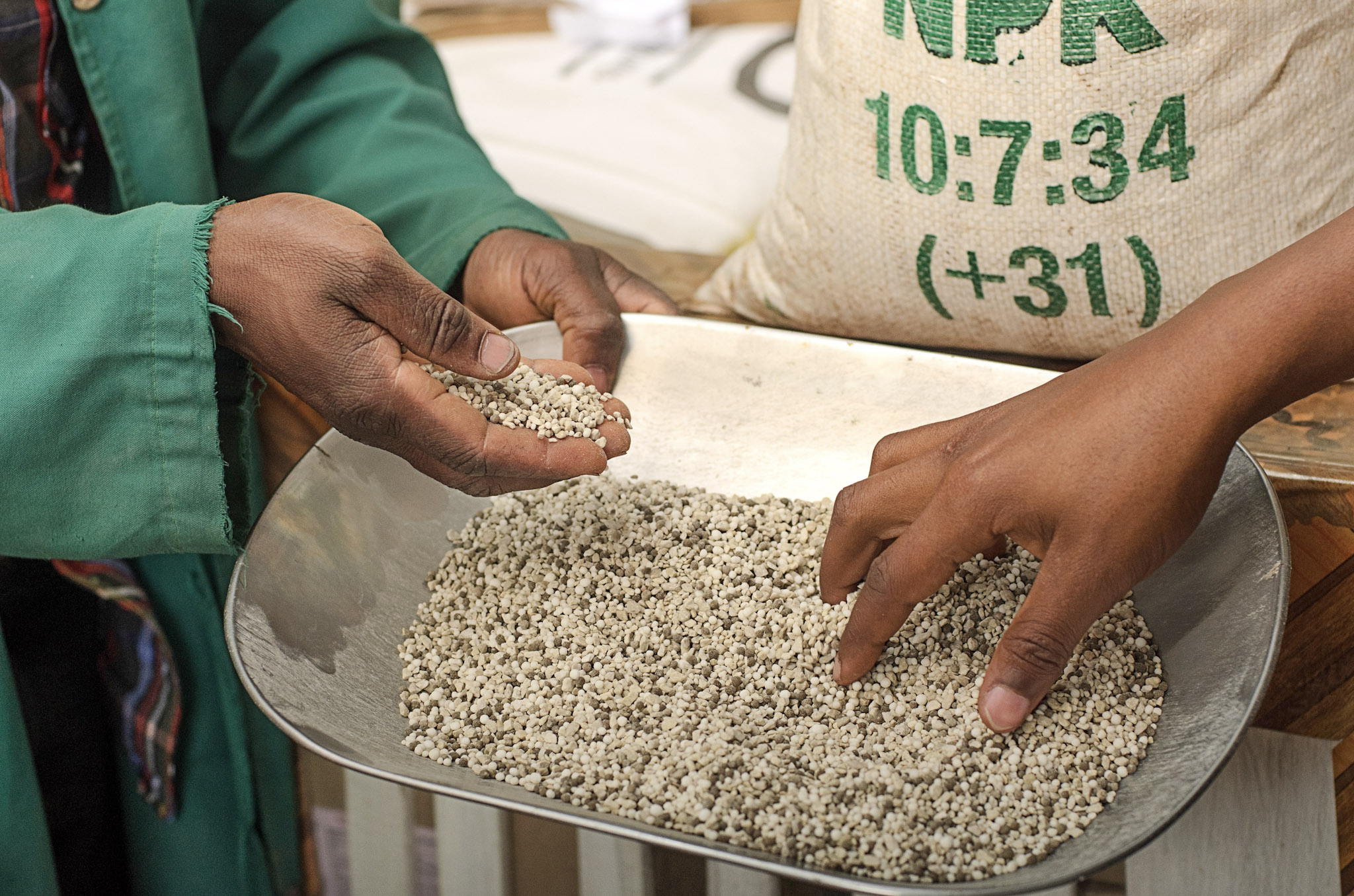
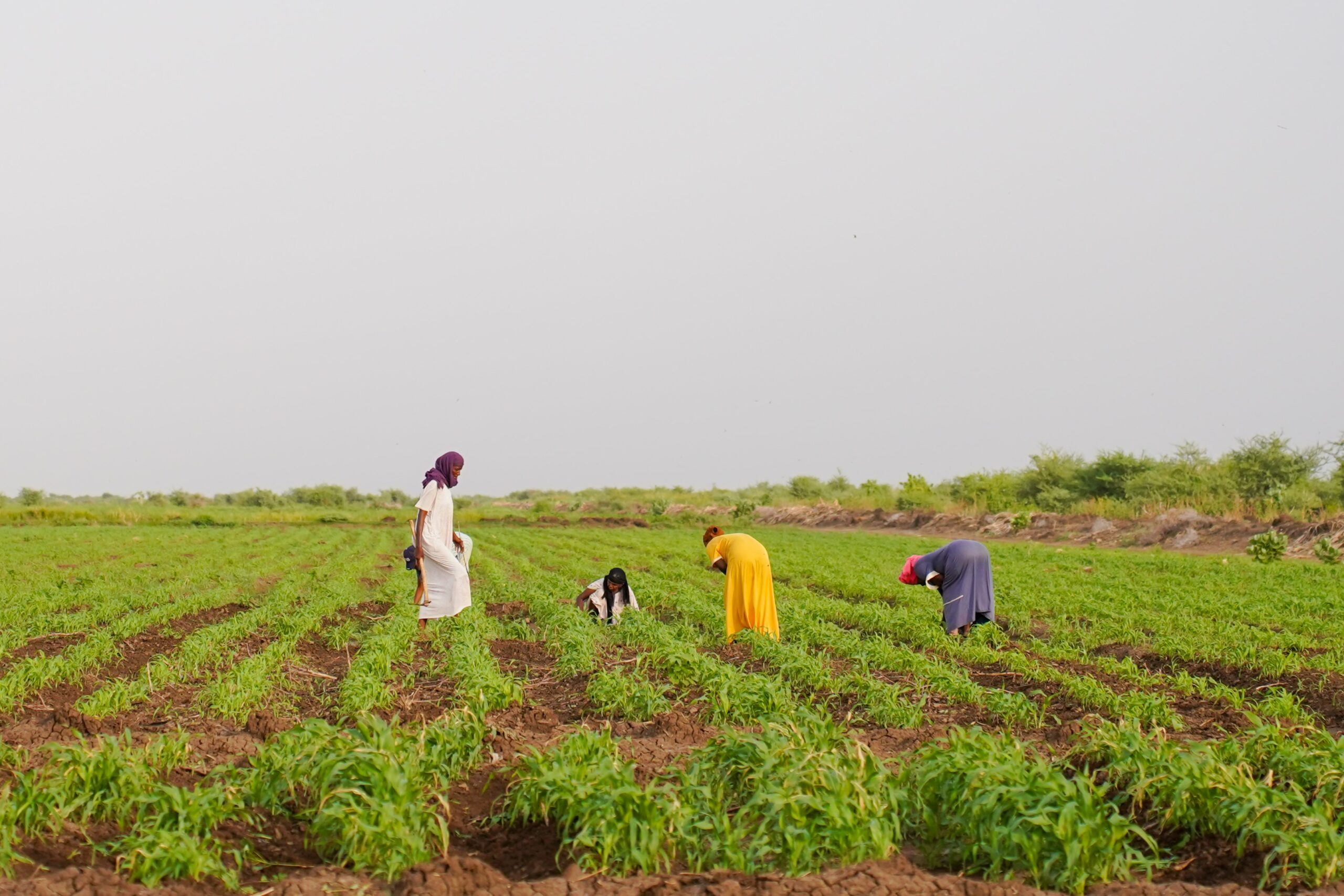
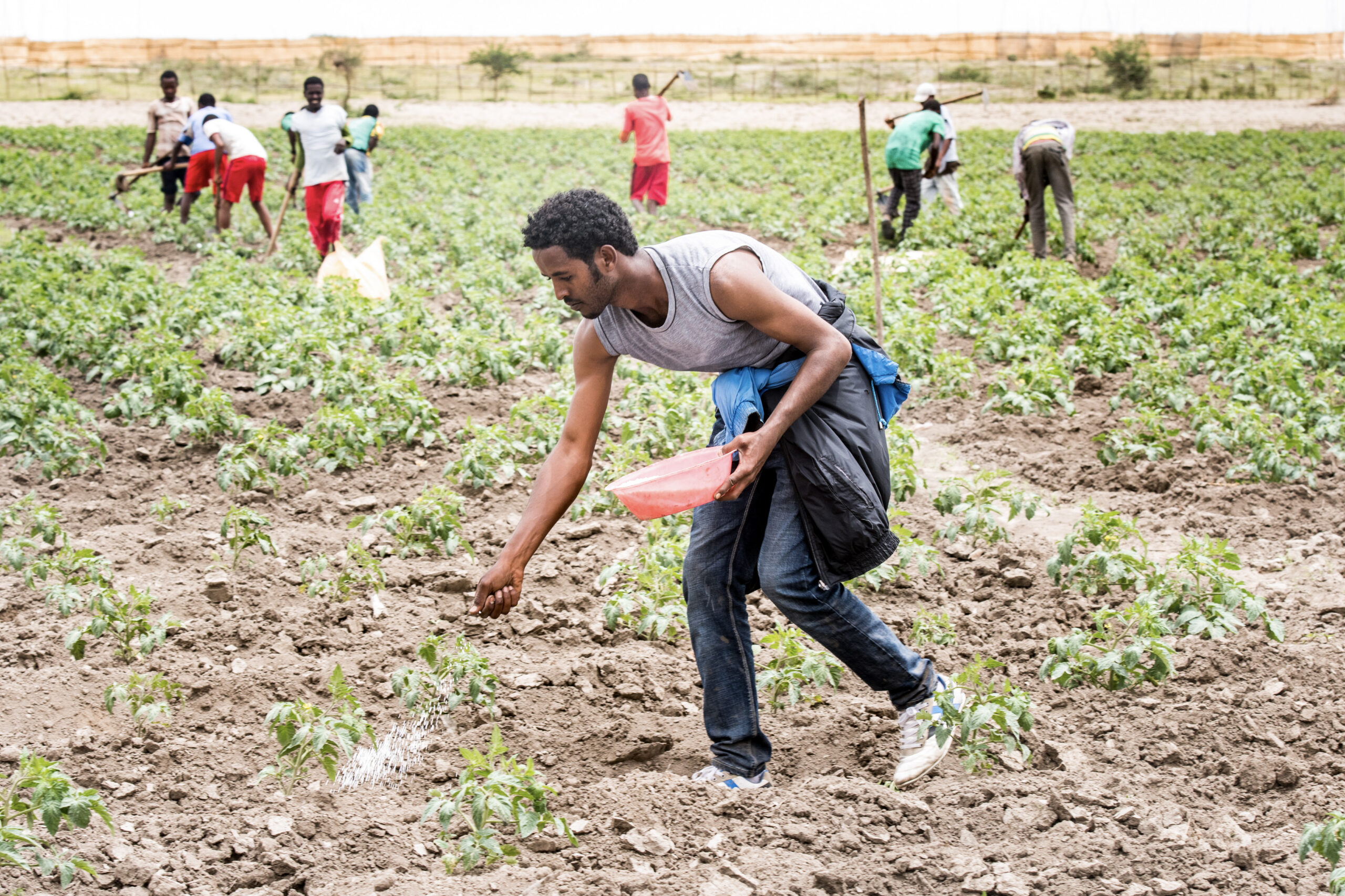
For Adam Alnour, a potato farmer from West Omdurman in Khartoum State, the planting season began with uncertainty as the ongoing conflict in Sudan made seeds and fertilisers scarce in local markets. Fearing he would miss the season, Adam was relieved to receive certified potato seeds, fertilisers, and technical support from an agrodealer in time for planting. With access to quality inputs and guidance throughout the season, his potato crop grew well and remained healthy, giving him a successful harvest and renewed hope for improving his family’s income.

Mr Adam Alnour proudly harvests his large potato crop in Khartoum State. Photo credit: Sustain Africa
With a generous support from Ministries of Foreign Affairs of Netherlands and Norway, Sustain Africa—a pan-African initiative hosted by the International Fertilizer Development Center (IFDC)—partnered with CIMMYT, 249Startups, and the Clingendael Institute to strengthen access to agricultural supplies.
Through this collaboration, four Sudanese private-sector companies were supported to import 48,500 metric tons of high-quality fertiliser and 5,200 metric tons of certified Irish potato seeds.
The intervention was mooted to address supply chain disruptions caused by the ongoing conflict, which had significantly reduced the availability of agricultural inputs and threatened the livelihoods of thousands of farming households. By facilitating the importation and distribution of quality fertilizers and improved potato seeds, the initiative enabled farmers to plant on time, improve crop productivity, and protect their incomes.
The impact of the support became evident when harvest season arrived.
“In April, I began harvesting my potato crop, and the results exceeded my expectations. My yield was more than three times higher than in previous seasons, making this the most successful potato harvest I have achieved in over a decade of farming.” Said Alnour.
The exceptional harvest brought more than just increased production. The additional income allowed Alnour to repair his broken tractor and begin planning.
“The good yield enabled me to repair my tractor, and now I am considering expanding the area I will cultivate during the next potato season,” he added.
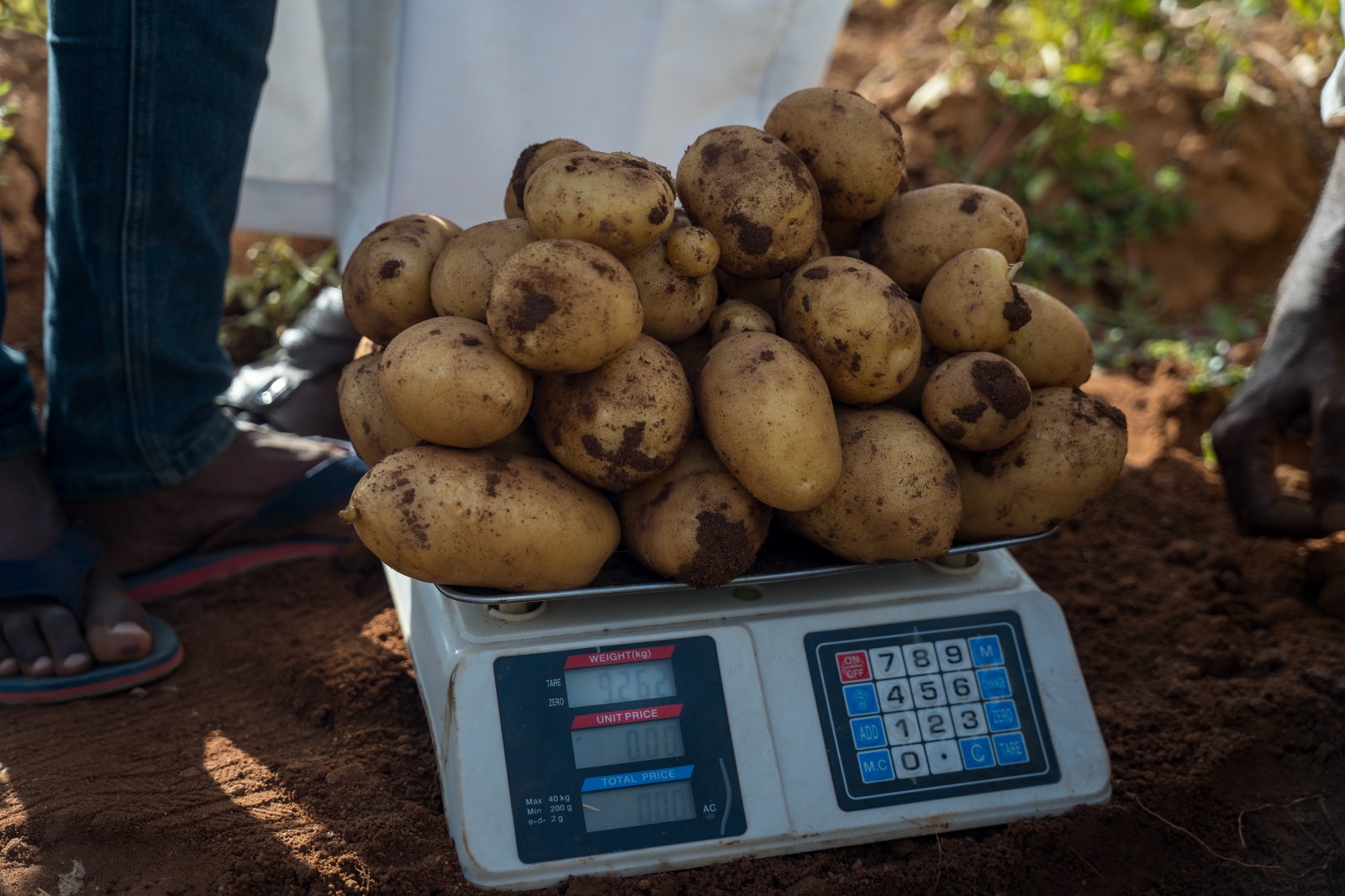
Farmers in Khartoum state reported great potato yields after receiving certified seeds and fertilisers on time. Photo credit: Sustain Africa
Supporting farmers like Alnour is especially important in countries facing conflict, economic instability, and market disruptions. Access to quality fertilisers and improved seeds allows farmers to plant on time, increase productivity, and produce healthier, higher-quality crops.
Beyond boosting yields, timely access to agricultural inputs helps reduce production losses, improve household incomes, and strengthen food security. It also supports the recovery of local agricultural markets and value chains that are often disrupted during crises.
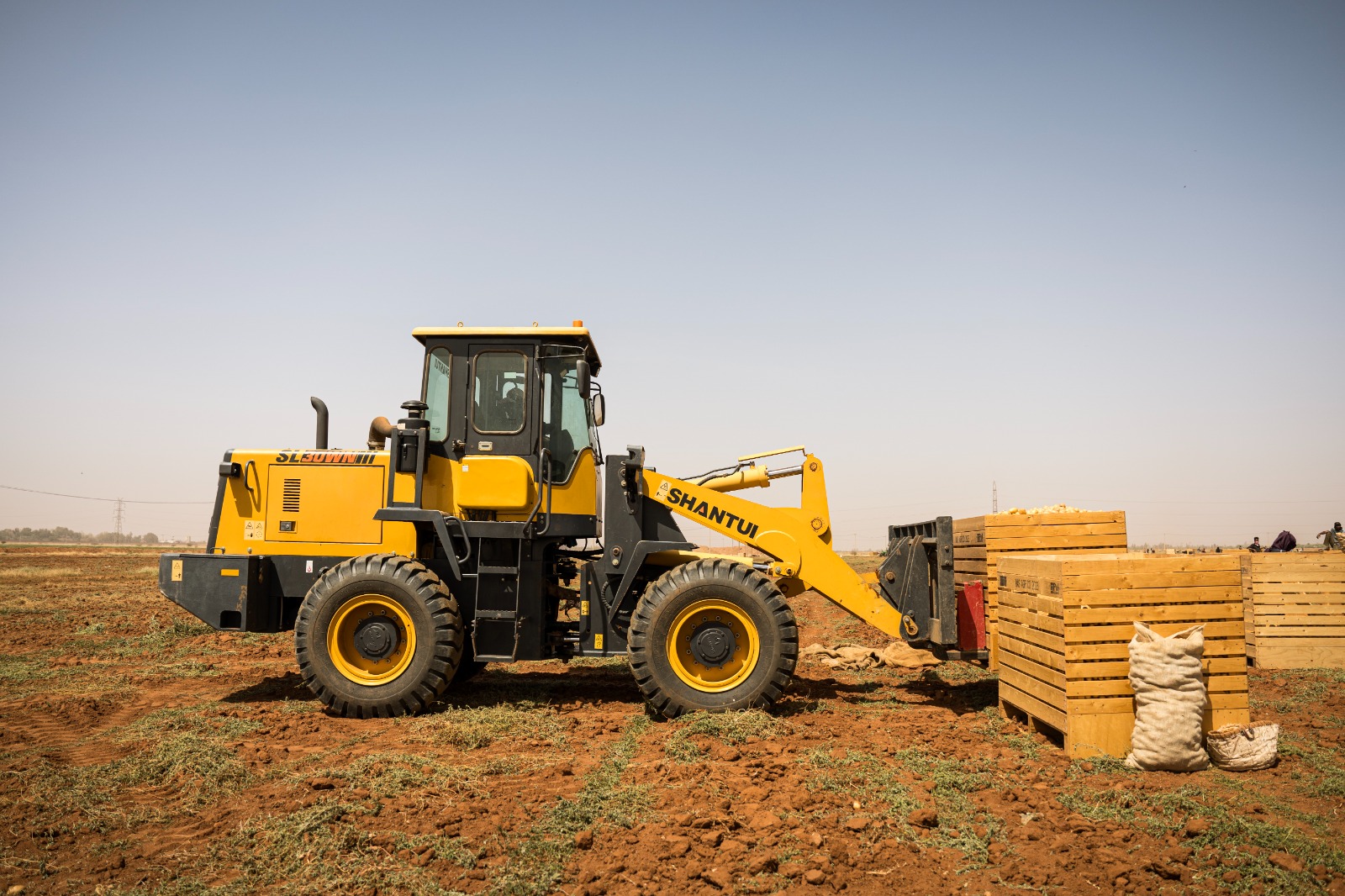
Packing and shipping potato yield into markets in Khartoum and other states, helping achieve food security. Photo credit: Sustain Africa
In challenging circumstances, reliable access to fertilisers and quality seeds enables farming communities to sustain their livelihoods, build resilience, and continue contributing to national food supplies. As Sudan continues to navigate the impacts of conflict, investments that strengthen agricultural input systems remain critical for safeguarding food security and supporting rural communities.
Authored by Maria Monayo and Mohamed Abdulmajid
Reviewed and published by Ferguson Olemarampa