


Emergency Import of Critical Agricultural Inputs The ongoing conflict in Sudan continues to contribute to a food crisis threatening the lives of over 22 million people. Farmers, especially smallholders, are facing extraordinary challenges in obtaining the agricultural inputs they need, such as fertilizers and improved seeds. Fertilizers are scarce in most markets across the war-devastated […]
The ongoing conflict in Sudan continues to contribute to a food crisis threatening the lives of over 22 million people. Farmers, especially smallholders, are facing extraordinary challenges in obtaining the agricultural inputs they need, such as fertilizers and improved seeds. Fertilizers are scarce in most markets across the war-devastated country, and prices are surging.
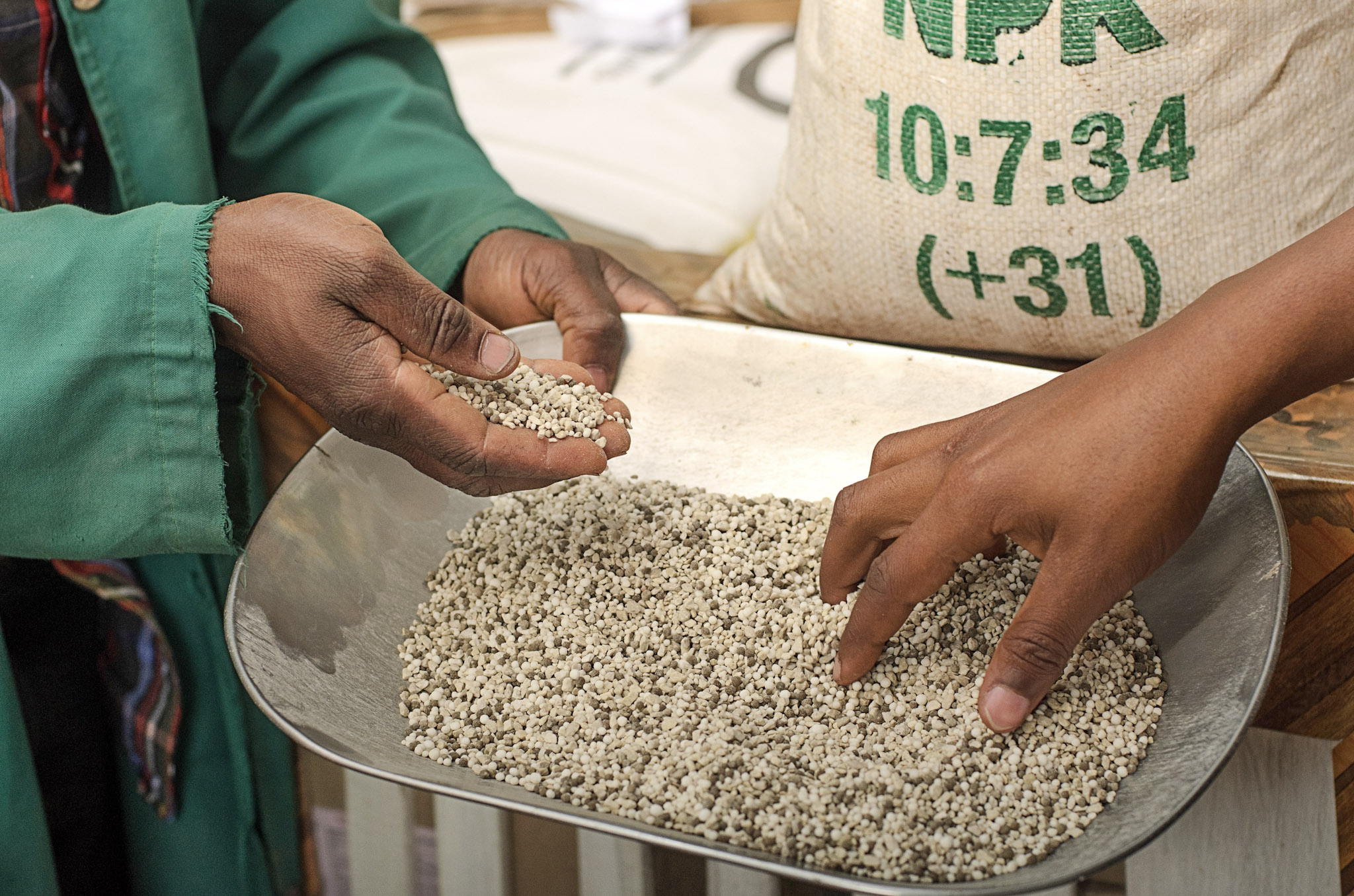
Last December, Sustain Africa, a pan-African initiative hosted by the International Fertilizer Development Center (IFDC) and its implementing partner, CIMMYT, supported three Sudanese private-sector companies in importing 48,500 metric tons of high-quality fertilizers and 5,200 metric tons of Irish seed potato, and delivering them to Port Sudan.

Caption: Unloading of fertilizer and certified Irish seed potato at Port Sudan as supported by Sustain Africa through Sustain Sudan initiative.
Due to the economic impacts of the ongoing conflict, Sudan’s fertilizer imports fell from about 450,000 metric tons annually to an estimated 50,000 metric tons in 2024, leaving farmers facing significant challenges in meeting their fertilizer needs.
Several Sudanese microfinance institutions, including the Sudanese Agricultural Bank and Al Abdah Bank, were involved in funding and distributing fertilizers to farmers under the New Halfa Agricultural Scheme.
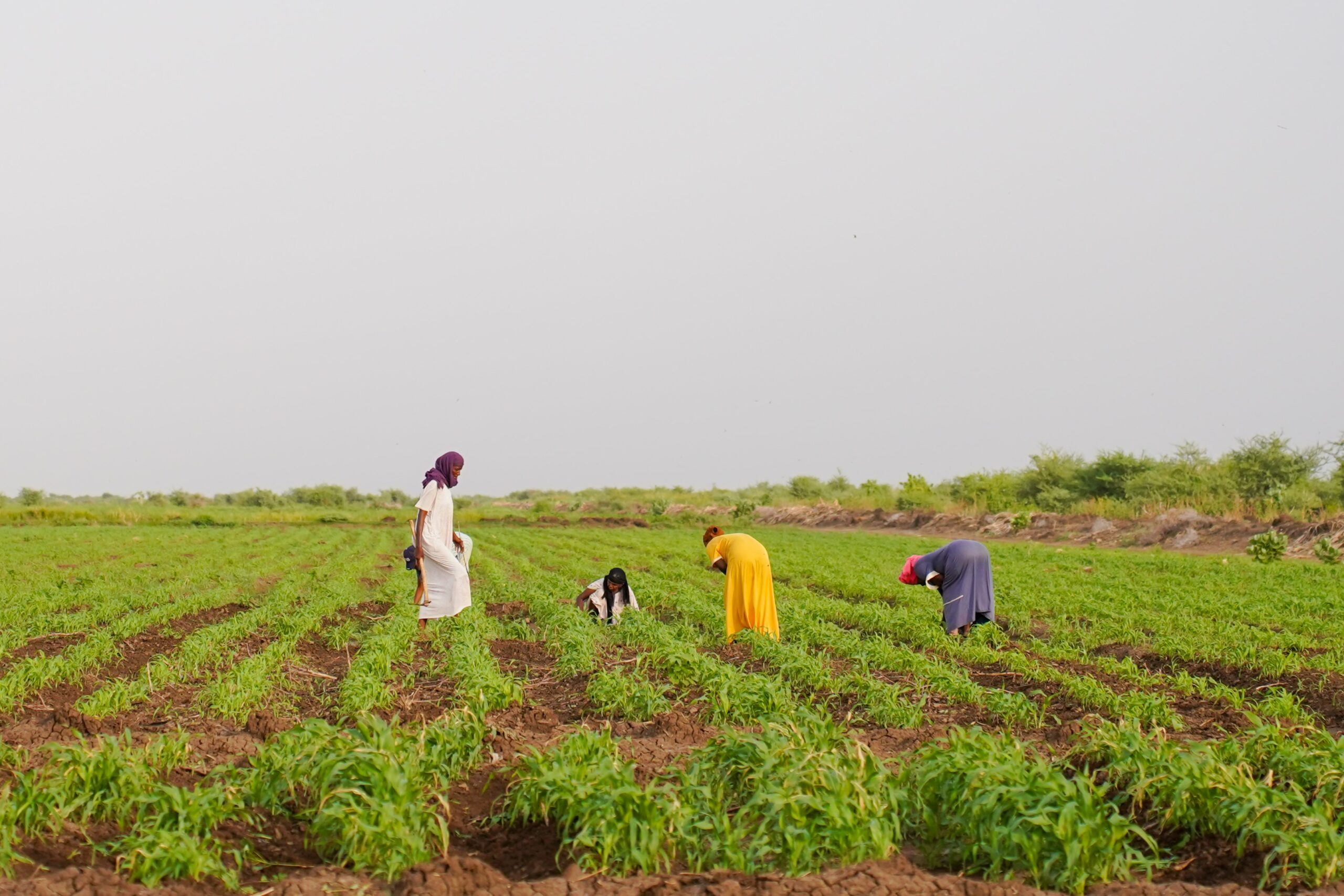
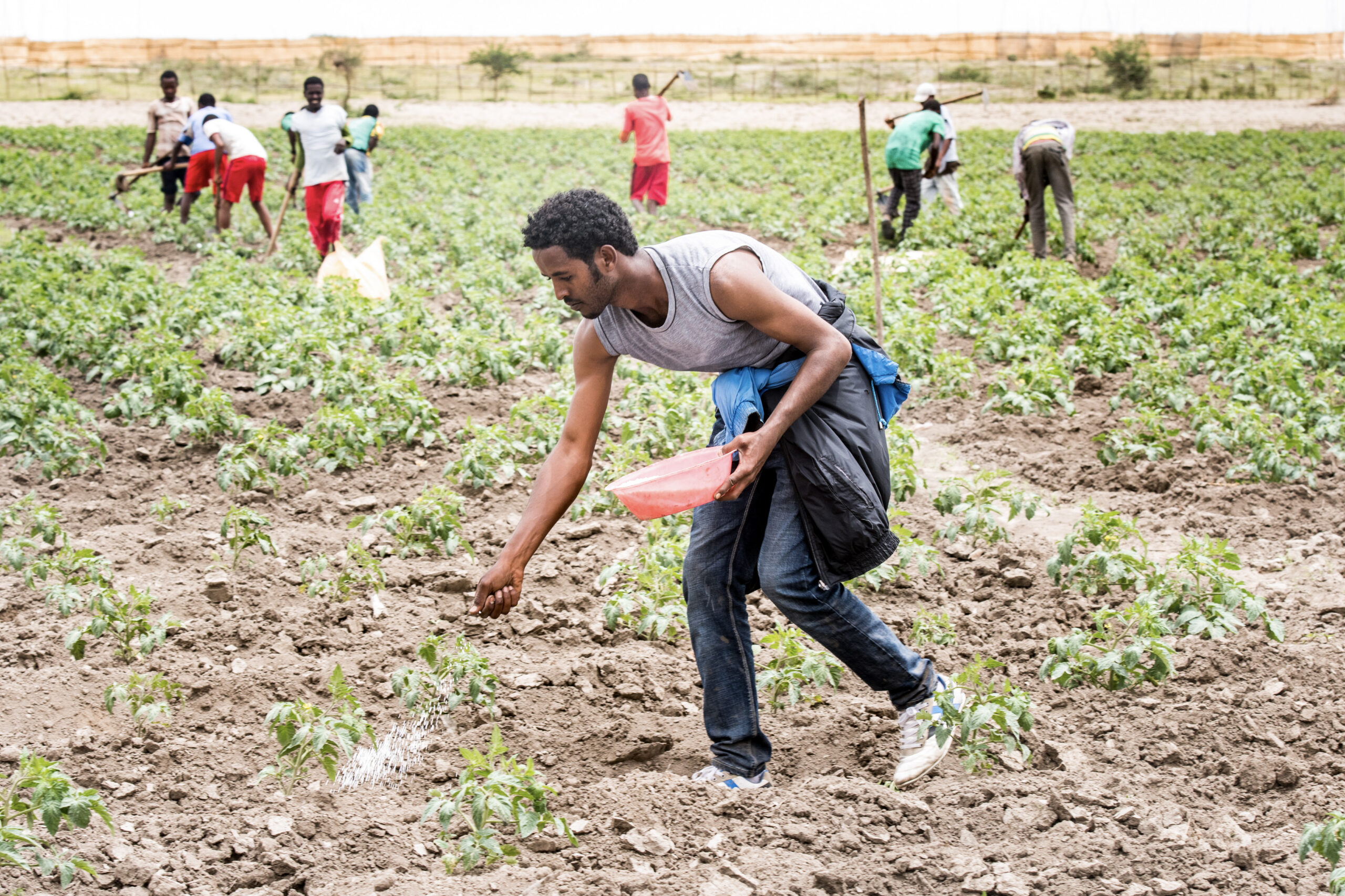
Farmers in the Halfa Agricultural Scheme proudly work in their fields after they received fertilizers from Al Ebdaa Bank (a microfinance institution). Photo credit: CIMMYT
“Fertilizers are scarce and expensive due to the conflict, so getting them on time made a big difference. Our wheat is growing well, and we expect a good harvest,” said Khalid Abdemonaiem, a farmer in New Halfa.
Khalid further noted that in 2024, he benefited from CIMMYT’s managed Sustainable Agrifood Systems Approach for Sudan (SASAS), which was funded by the U.S. government. Khalid and other farmers were supported by improved seeds, land preparation, fertilizers, pesticides, and technical support.
In addition to fertilizers, the Agricultural Bank of Sudan provided financing to farmers in the New Halfa Agricultural Scheme for land preparation, improved seeds, and technical support.
“Farmers are glad to get fertilizers, and we managed to catch the important winter cultivation season. The plants are maturing well, and we expect a good yield that for sure will certainly enhance food security in Sudan. Farmers are eager to secure financing for all agricultural activities, from land preparation through harvest. We need this funding on a loan basis, which we will pay back at the end of the cultivation season,” Khalid noted.
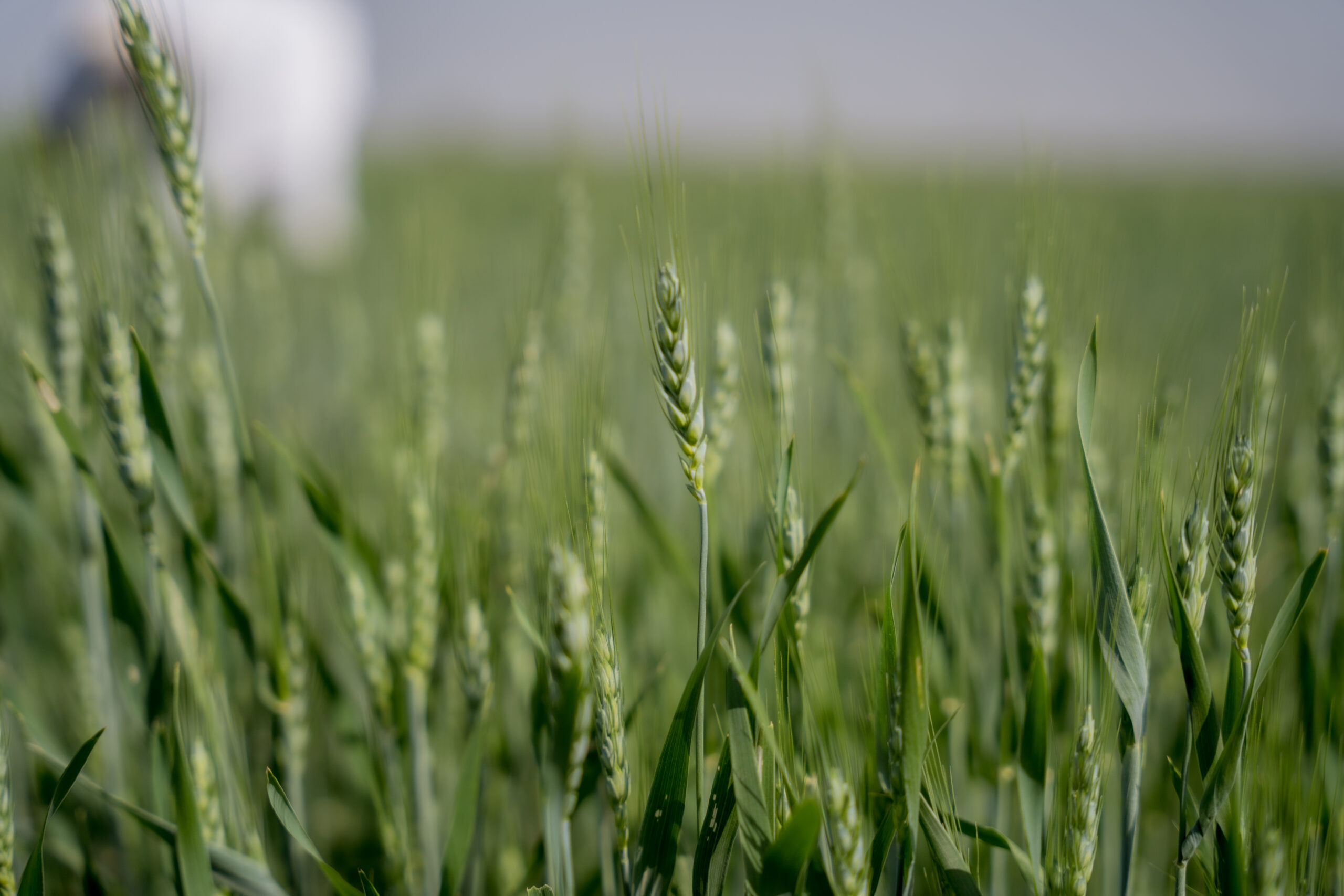
Flourishing Wheat farms in the New Halfa Agricultural Scheme. Photo credit: CIMMYT
With support from Sustain Sudan, the Agricultural Bank of Sudan provided the fertilizers needed to cultivate 55,000 feddans of wheat under the New Halafa Agricultural Scheme.
“Despite major funding gaps, we secured fertilizers, supported land preparation, and helped farmers complete planting—strengthening food security,” said Ali Salih, Director of the Sudanese Agricultural Bank in New Halfa.
Farmers in the New Halfa Agricultural Scheme report that timely access to fertilizers has helped them successfully proceed with the winter cultivation season, with crops showing strong growth. However, they emphasize that access to inputs alone is not enough to ensure sustained productivity. They highlight the need for comprehensive seasonal financing that covers all stages of agricultural production—from land preparation and seeds to fertilizers, pesticides, and harvesting—ideally structured as loans that can be repaid after harvest.
While acknowledging the support provided by financial institutions such as the Agricultural Bank of Sudan and Al Ebdaa Bank in delivering fertilizers on time, farmers note that broader financial support remains critical to meet the high costs of farming operations. They stress that such financing would allow them to fully complete the agricultural cycle and strengthen their ability to repay loans at the end of the season, reinforcing both productivity and financial sustainability in the scheme.
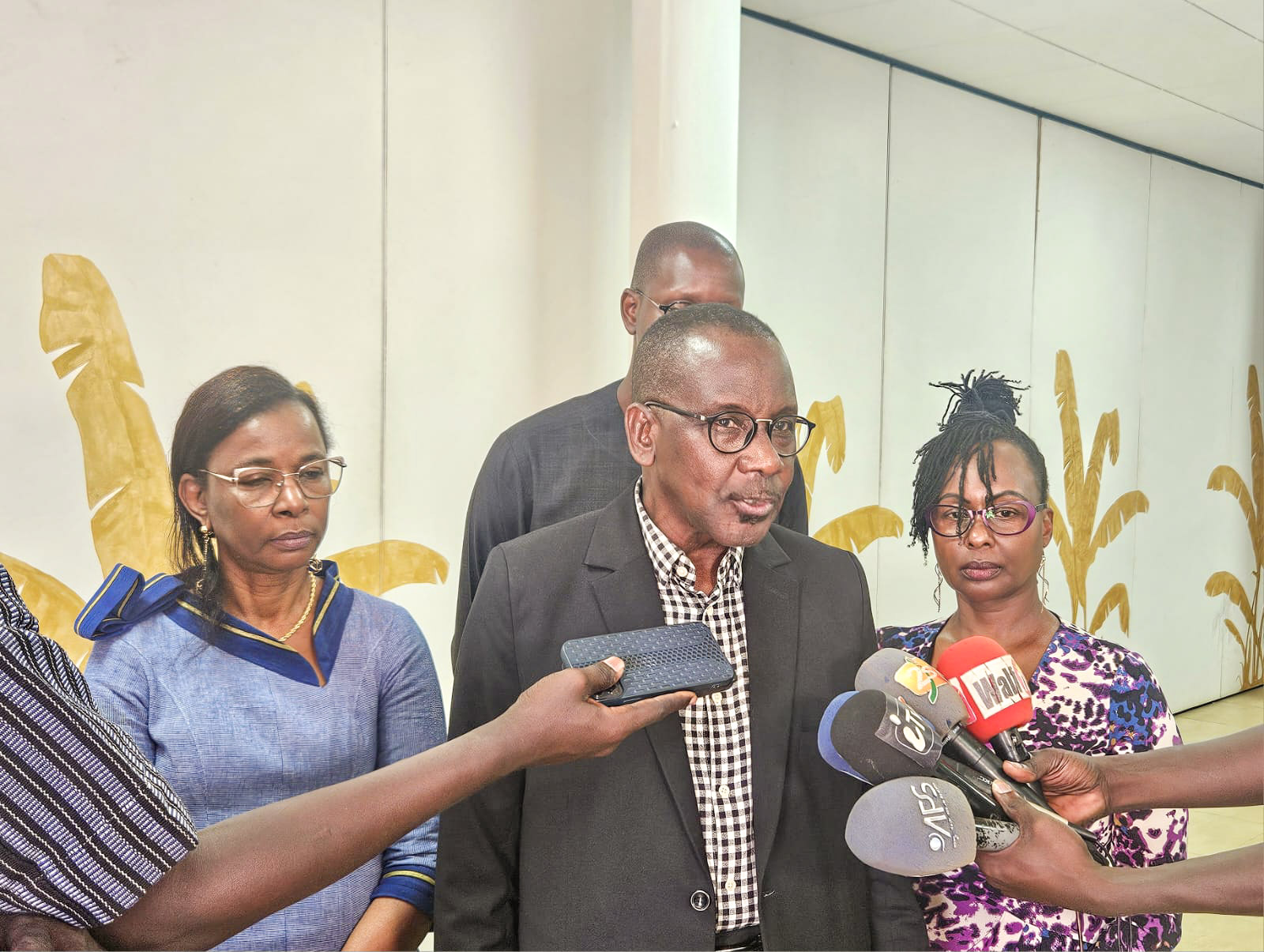
A delegation from Sustain Sudan visited farmers and the administration in the New Halfa Agricultural Scheme to gain firsthand insight into the progress of the winter cultivation season and the impact of fertilizers imported with support from the initiative.
“This initiative is helping restore access to fertilizers and seeds while building resilience for farmers affected by conflict, said Dr. Murtada Kamal from Sudan Sustain and the lead of the team that visited New Halfa Agricultural Scheme.
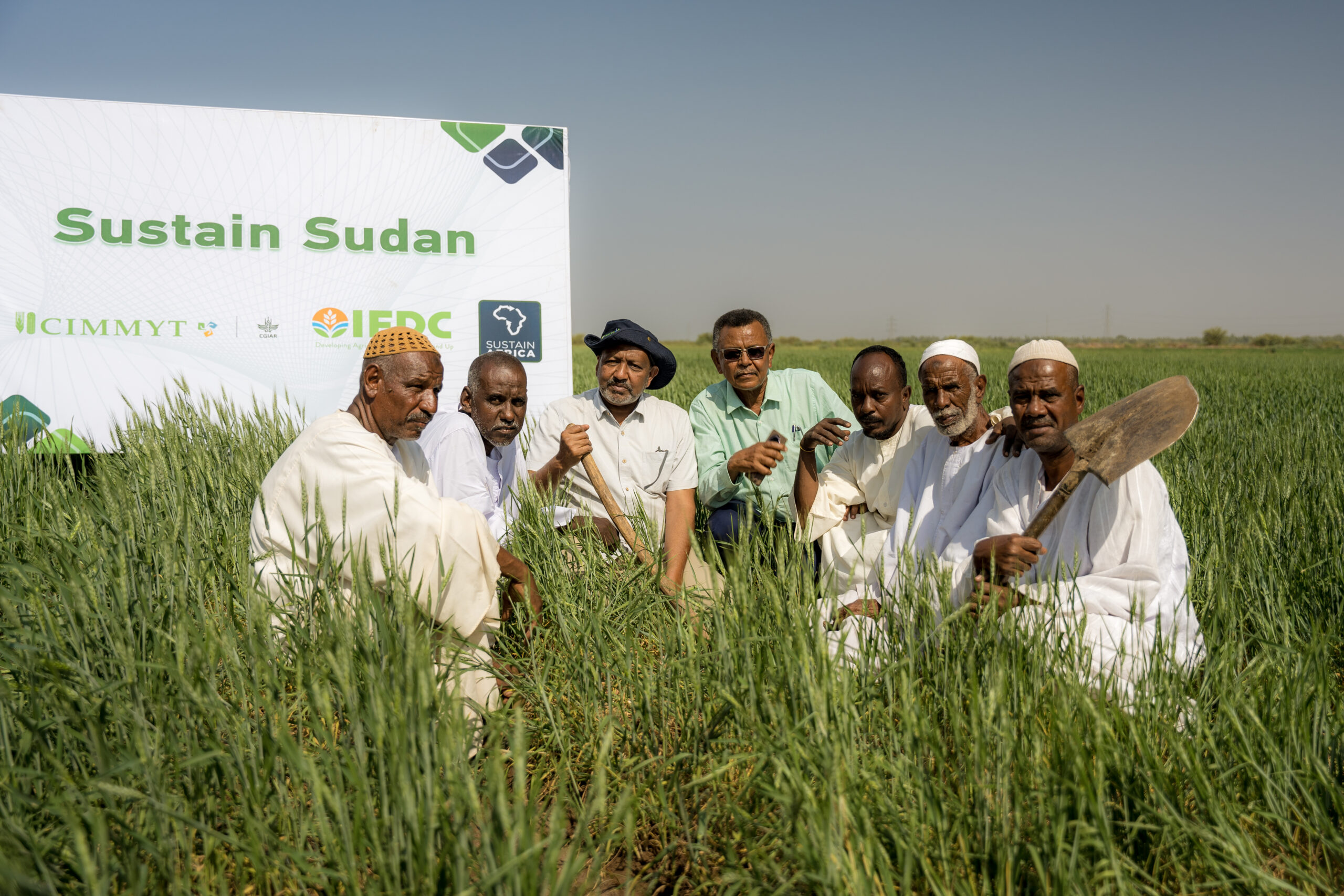
The Sustain Sudan team meets with farmers in the New Halfa Agricultural Scheme. Photo credit: CIMMYT
The Sustain Sudan Project—supported by the Ministries of Foreign Affairs of the Netherlands and Norway—and aims to strengthen local fertilizer and agri-input markets and help communities regain the means to produce their own food as the country works toward recovery and stability. We do this by connecting international suppliers with local agrodealers, unlocking financing options, and providing on-the-ground technical assistance. This market-based approach builds on the inherent strengths of Sudan’s agricultural private sector.
Written by: Maria Monayo, Shakir Babiker, and Mohamed Abdulmajid
Reviewed by: Ferguson Olemarampa