


Supporting Sudan’s Agricultural Recovery To help mitigate the impact of the ongoing conflict in Sudan on the agricultural sector, Sustain Africa, a pan-African initiative hosted by the International Fertilizer Development Center (IFDC), together with partners, CIMMYT, 249Startups and Clingendael Institute, supported four Sudanese private-sector companies in importing 48,500 metric tons of high-quality fertilizer and 5,200 […]
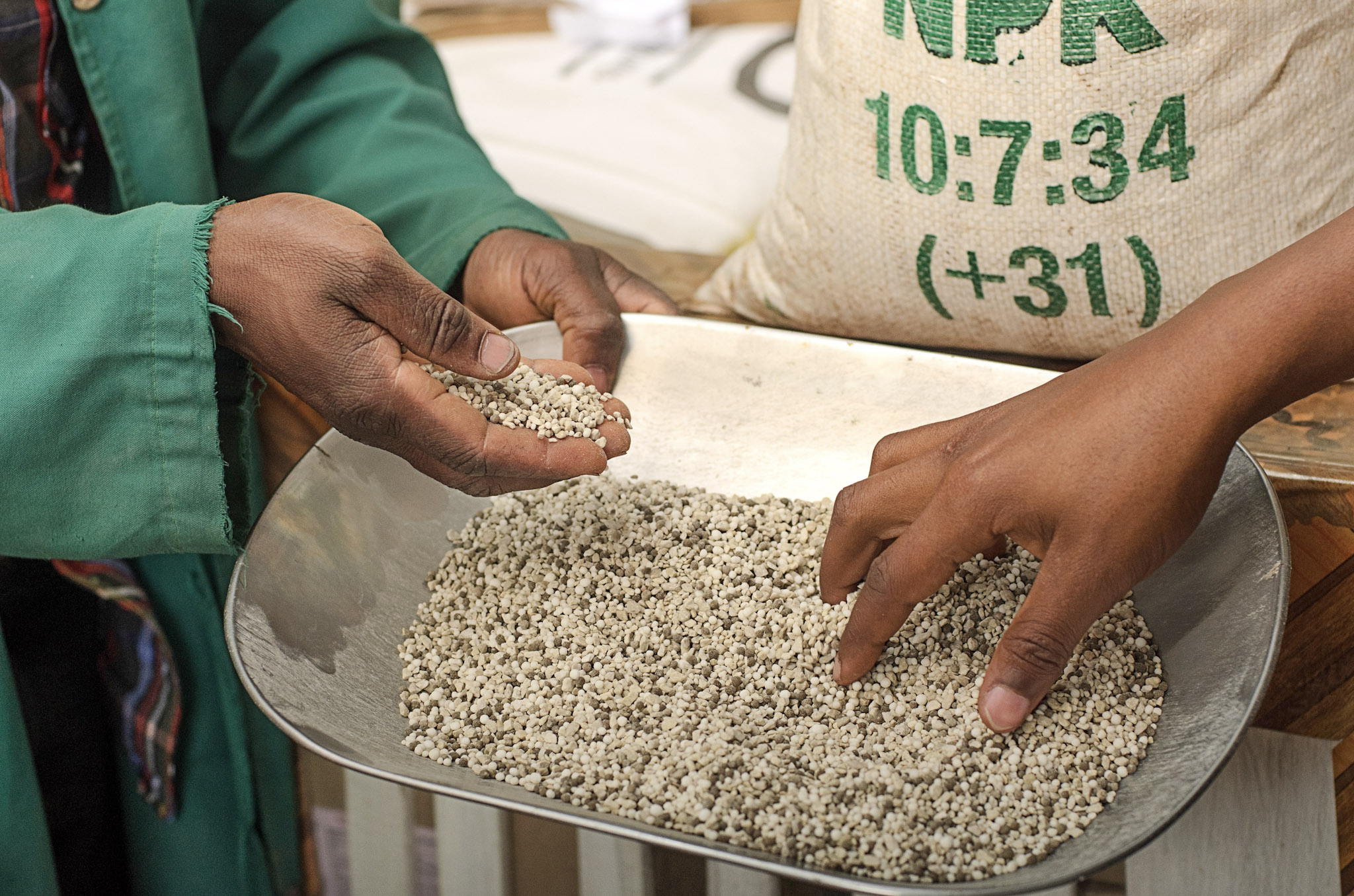
To help mitigate the impact of the ongoing conflict in Sudan on the agricultural sector, Sustain Africa, a pan-African initiative hosted by the International Fertilizer Development Center (IFDC), together with partners, CIMMYT, 249Startups and Clingendael Institute, supported four Sudanese private-sector companies in importing 48,500 metric tons of high-quality fertilizer and 5,200 metric tons of Irish seed potatoes to help salvage the cultivation season. These inputs were distributed across various regions of the country.
Fortunately, farmers in the large New Halfa Agricultural Scheme in Kassala State were able to obtain the much-needed and scarce fertilizers and other inputs through microfinance institutions, including the Sudanese Agricultural Bank and El Abdah Bank.
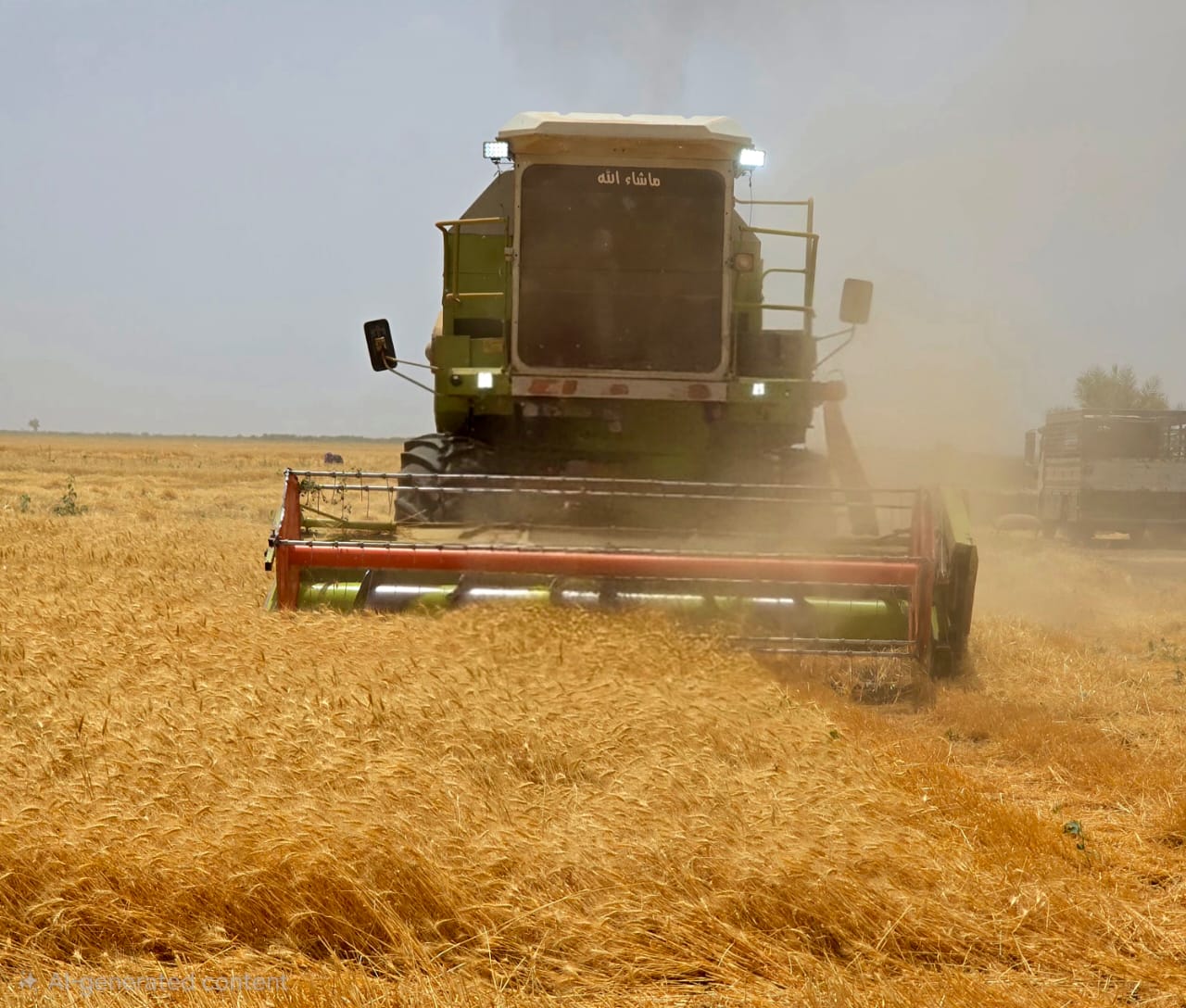
Commencing Wheat harvest in the New Halfa Agricultural Scheme. Photo credit: CIMMYT
“I obtained a loan from the Sudanese Agricultural Bank, which enabled me to purchase improved seeds, fertilizers, and pesticides. So far, my five feddans have produced more than 70 sacks of wheat, and the harvest is still ongoing,’’ said Mohamed Magrabi, a farmer from Basalola Village in the New Halfa Agricultural Scheme.
Mohamed Magrabi, a farmer from Basalola Village in the New Halfa Agricultural Scheme, is celebrating a successful wheat harvest after adopting improved farming practices supported by financing from the Sudanese Agricultural Bank. With the loan, he purchased improved seeds, fertilizers, and pesticides through the New Halfa Agricultural Scheme, helping boost productivity on his farm.
His five feddans have already produced more than 70 sacks of wheat, with harvesting still ongoing. The strong yields enabled him to fully repay his bank loan while also earning a good profit. Encouraged by the results, Magrabi plans to apply for a larger loan next cultivation season to expand the area under cultivation.
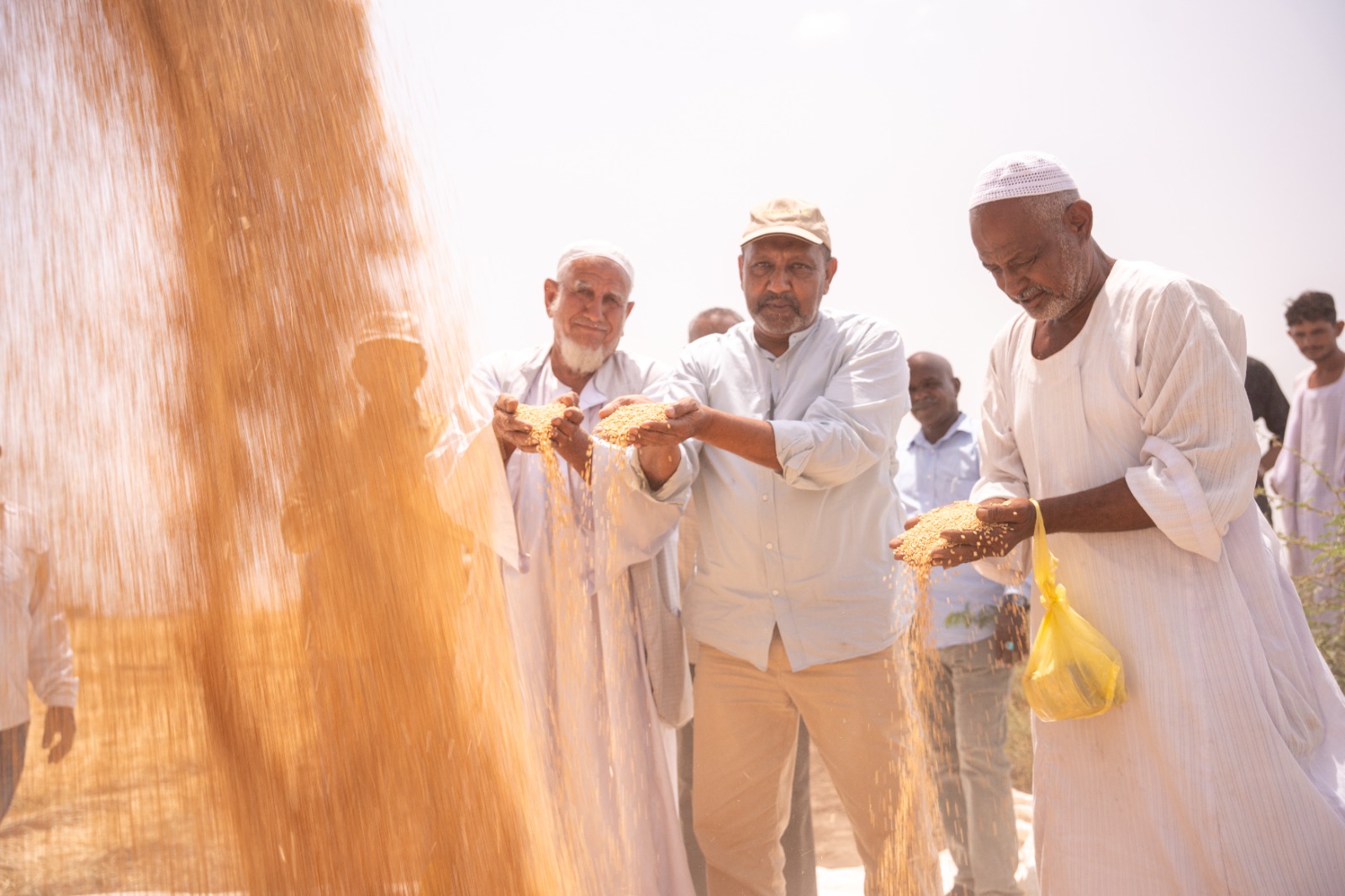
The Farmer Mohamed Magrabi (right) is happily inspecting his Wheat Production in the New Halfa Agricultural Scheme. Photo credit: CIMMYT
In addition to fertilizers, the Sudanese Agricultural Bank supported farmers in land preparation and the purchase of improved seeds.
“Some of the farmers who took loans from us started to pay back. This would encourage the bank to secure more funds for farmers in the coming cultivation season,” said Mr. Ali Salih, the Director of the Sudanese Agricultural Bank in New Halfa, Kassala State.
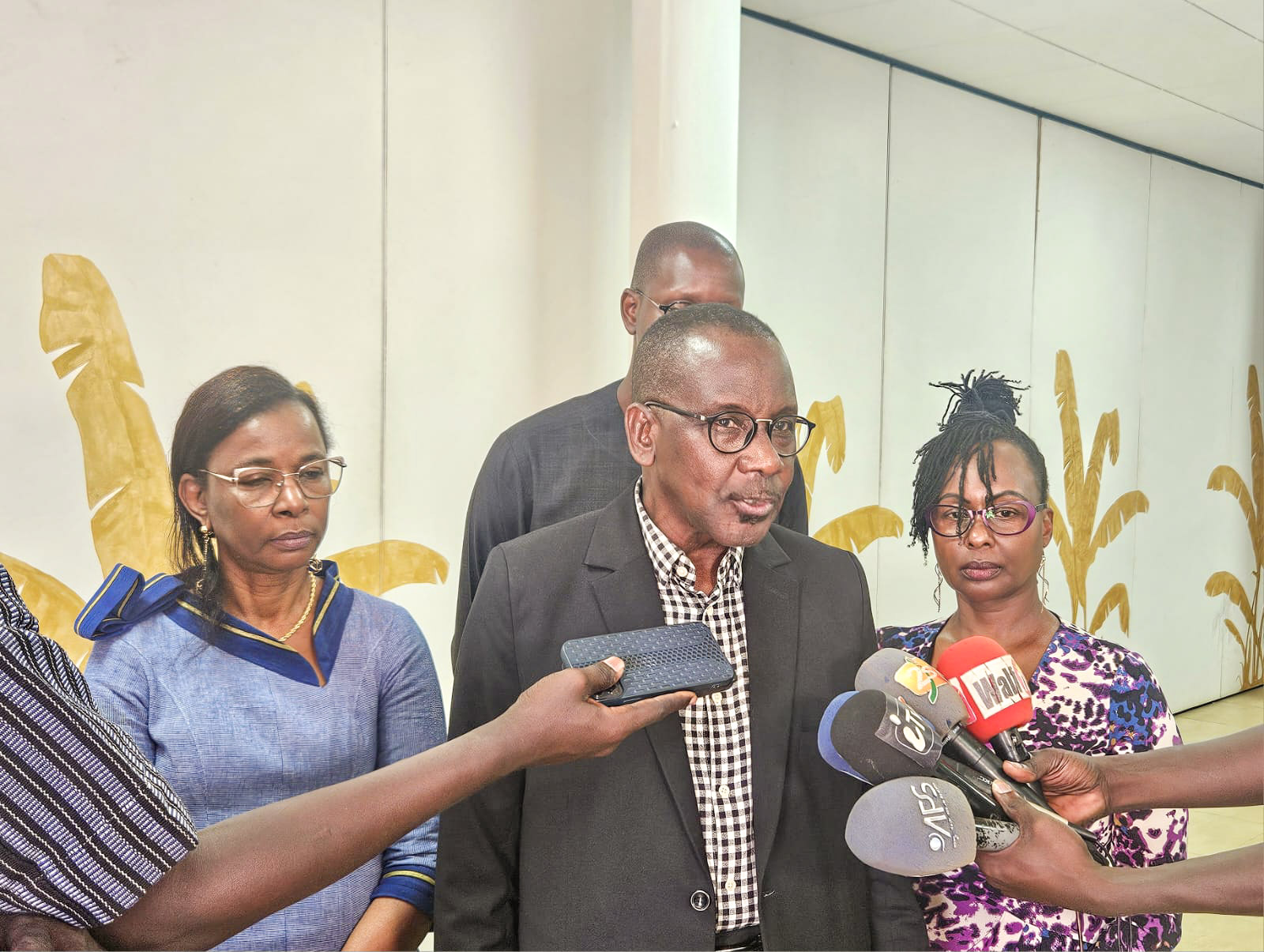
To gain firsthand experience of the impact of the fertilizers and improved seeds imported through the coordination and support of Sustain Africa, a delegation from Sustain Sudan Initiative visited the New Halfa Agricultural Scheme to inspect the Wheat harvest process.
“We have witnessed the great impact of Sustain Africa and partners’ broader initiative to make seeds and fertilizers available to farmers in the conflict-affected Sudan. We visited some fields where farmers used improved seeds, fertilizers, and pesticides, and the yield is extremely great,” said Dr Murtada Kamal, lead of the team that visited New Halfa Agricultural Scheme.

Dr Murtada Kamal (right) inspecting the harvest.
However, some farmers continued to rely on traditional farming methods and did not use improved seeds or fertilizers, resulting in poor harvests. Across Sudan, many farmers still depend on conventional agricultural practices, use low-quality seeds, and have limited access to fertilizers and other modern farming inputs. The stark contrast between healthy and weed-infested wheat fields serves as a reminder that Sudanese farmers urgently need support to revitalize their agricultural production.

A healthy wheat field in the New Halfa Agricultural Scheme due to the use of fertilizers, improved seeds, pesticides, and herbicides. Photo credit: CIMMYT
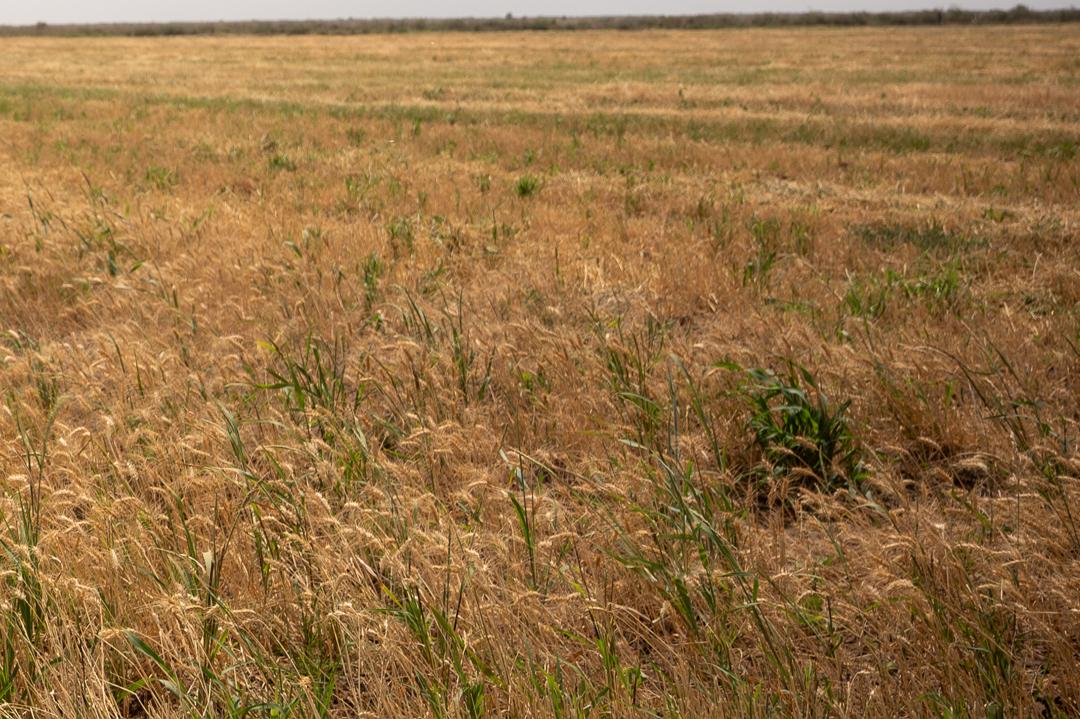
Weed invades a wheat field in the New Halfa Agricultural Scheme due to the lack of use of herbicides, certified seeds, fertilizers, and pesticides. Photo credit: CIMMYT
The Sustain Sudan program aims to strengthen local fertilizer and agri-input markets and help communities regain the means to produce their own food as the country works toward recovery and stability. We do this by connecting international suppliers with local agrodealers, unlocking financing options, and providing on-the-ground technical assistance. This market-based approach builds on the inherent strengths of Sudan’s agricultural private sector.
Co-authored by: Maria Monayo, Shakir Babiker, and Mohamed Salah

Reviewed and published by: Ferguson Olemarampa