.
Status: active

Burkina Faso

Sustain Africa provides rebated fertilizer and resilience program...
Sustain Africa’s country programmes in Madagascar, Malawi, Mozambique, Uganda and Zambia have comple...
Sustain Africa Learning Agenda highlights priorities for building...
While Sustain Africa was initiated as a crisis response mechanism to mitigate the impact of a global...
Derisking and expanding the reach of fertilizer financing is key ...
A study on derisking fertilizer finance, conducted by Dalberg found the following issues, and makes ...
Recommendations for strengthening multistakeholder crisis respons...
A study by Dalberg evaluated Sustain Africa’s relevance, impact logic, partnerships and governance, ...
Sustain Africa enters a new chapter from September 2024
Most of Sustain Africa’s active programmes complete at the end of August 2024, at which point Sustai...
Sustain Africa programme launches in Burkina Faso
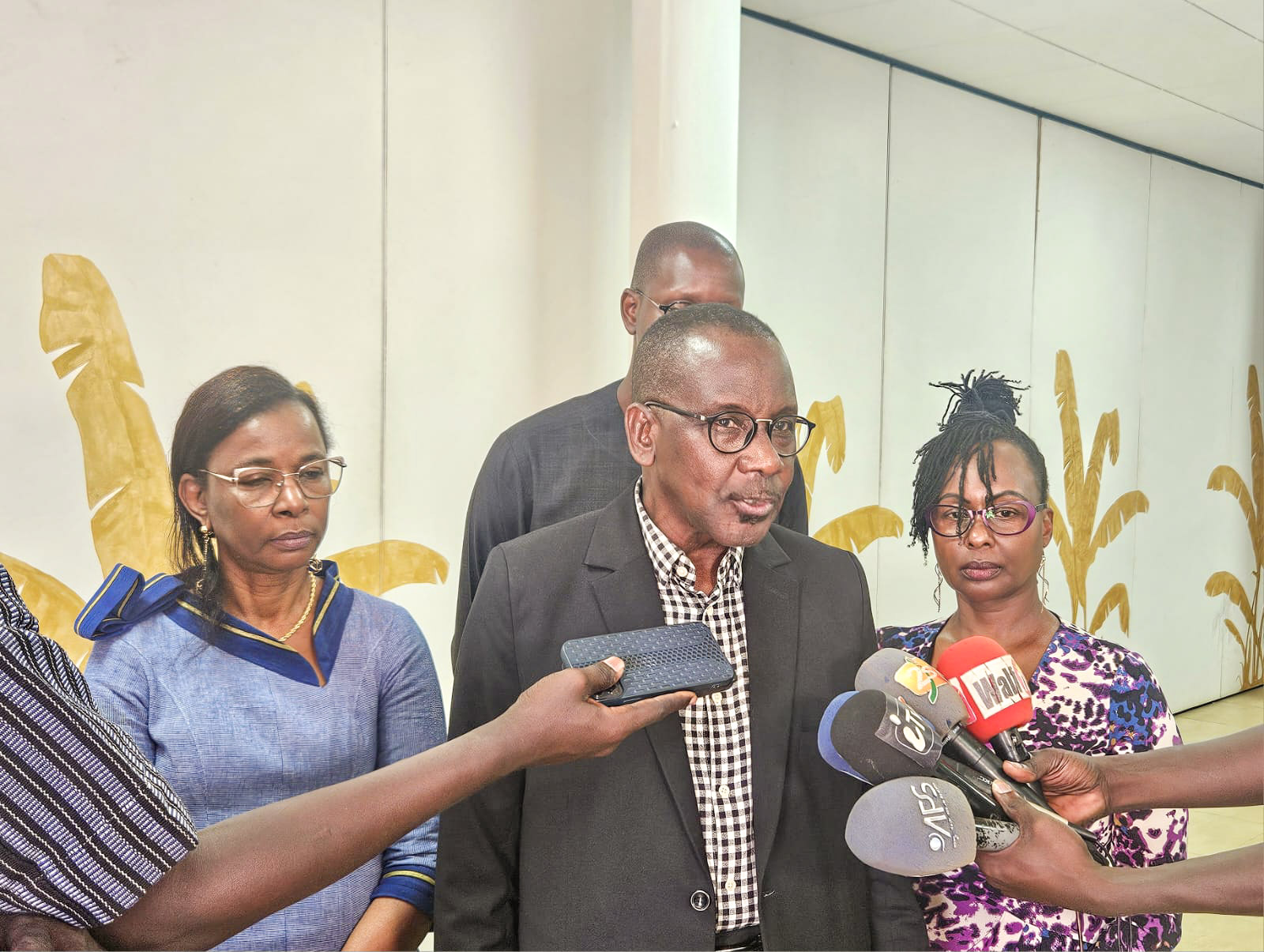
Sustain Africa’s country programme in Burkina Faso launched on the 7th of February 2024 with kick-of...
Introducing the Sustain Africa Fertilizer Monitor
As International fertilizer prices continue to drop, Sustain Africa’s original remit of ensuring ava...
Sustain Africa 2023-2024 programmes finalized
In 2023-2024, Sustain Africa aims to reach 530.000 farmers with 88.000 MT of fertilizer in Burkina F...
Sustain Africa provides rebated fertilizer and resilience program...
Sustain Africa’s country programmes in Madagascar, Malawi, Mozambique, Uganda and Zambia have comple...
Sustain Africa Learning Agenda highlights priorities for building...
While Sustain Africa was initiated as a crisis response mechanism to mitigate the impact of a global...
Derisking and expanding the reach of fertilizer financing is key ...
A study on derisking fertilizer finance, conducted by Dalberg found the following issues, and makes ...
Recommendations for strengthening multistakeholder crisis respons...
A study by Dalberg evaluated Sustain Africa’s relevance, impact logic, partnerships and governance, ...
Sustain Africa enters a new chapter from September 2024
Most of Sustain Africa’s active programmes complete at the end of August 2024, at which point Sustai...
Sustain Africa programme launches in Burkina Faso
Sustain Africa’s country programme in Burkina Faso launched on the 7th of February 2024 with kick-of...
Introducing the Sustain Africa Fertilizer Monitor
As International fertilizer prices continue to drop, Sustain Africa’s original remit of ensuring ava...
Sustain Africa 2023-2024 programmes finalized
In 2023-2024, Sustain Africa aims to reach 530.000 farmers with 88.000 MT of fertilizer in Burkina F...

Sustain Africa's
work in Burkina Faso

Sustain Africa’s country programme in Burkina Faso initially aimed to provide 20,000 tonnes of discounted fertilizer in two stages to 100,000 smallholders farmers in eight regions, with a focus on rice, maize and vegetables crops (onions, tomatoes, cabbage, peppers, squash). This was revised to 10,000 tonnes as the Government of Burkina Faso stepped in with subsidy programmes targeting some of the intended farmers.

The programme is a collaboration between the the Ministry of Agriculture, Animal Resources and Fisheries (MARAH),  agrodealer association Association des Grossistes et Détaillants d’intrants Agricoles (AGRODIA) and farmer co-operative Société Coopérative avec Conseil d’Administration des Commerçants d’Intrants et de Matériels Agricoles du Burkina Faso (SCOOP-CA CIMA-BF). It is implemented by IFDC.

The programme is strengthening links between suppliers and buyers, though activities such as rural fertilizer fairs and the organisation of group fertilizer purchases. Additionally, the programme uses various communication methods, primarily local language radio stations in the 8 selected regions, to share information with farmers.

As of July, 10,000 tonnes of fertilizer have been delivered to just over 42,000 farmers. Meanwhile, 46 community-based agents (CBAs) have been  trained with 25 CBAs trained individually.

Our progress in
Burkina Faso
Statistics
Fertilizer MT
100%
  • Actual: 10002
  • Target: 10000
Farmers
84%
  • Actual: 42113
  • Target: 50000

Overview of the
situation in Burkina Faso

Agriculture in Burkina Faso includes the sub-sectors of agro-sylvo-pastoral production, wildlife, and fish farming. Crop production, livestock and forestry sector continues to hold a leading position in socio-economic development. It employs more than 80% of the population and accounts for approximately 18% to the GDP (World Bank, 2020).The main crops cultivated are cereals (sorghum, millet, maize) which constitute the staple diet of much of the population. Cotton remains the main cash crop of the country and accounts for 2/3 of the country's export earnings. About 98% of the cotton production is exported. There is also significant production of fruits and vegetables, mango, sweet banana, and onions being the main. Onions represent more than 30% of the country's vegetable production. These crop productions are essentially rain-fed and are subject to the constraints of rainfall variability. They are almost exclusively extensive, and are practiced primarily on family farms, dominated by small scale farmers (3 to 6 ha) with little mechanization. Fertilizer market structure In Burkina Faso, the fertilizer market is segmented in two types, namely the cotton fertilizer market and the non-cotton or food crop fertilizer market. The fertilizer market is still dominated by food crops, representing on average 60% of the annual quantities of fertilizers used, with 50% used on cereals. Cotton accounts for about 30% of the country's fertilizer, with sugarcane and horticulture completing the demand for a market that ranges in size from 200,000 to 300,000 tons per year.
We are in planning stages.
Country coming soon.